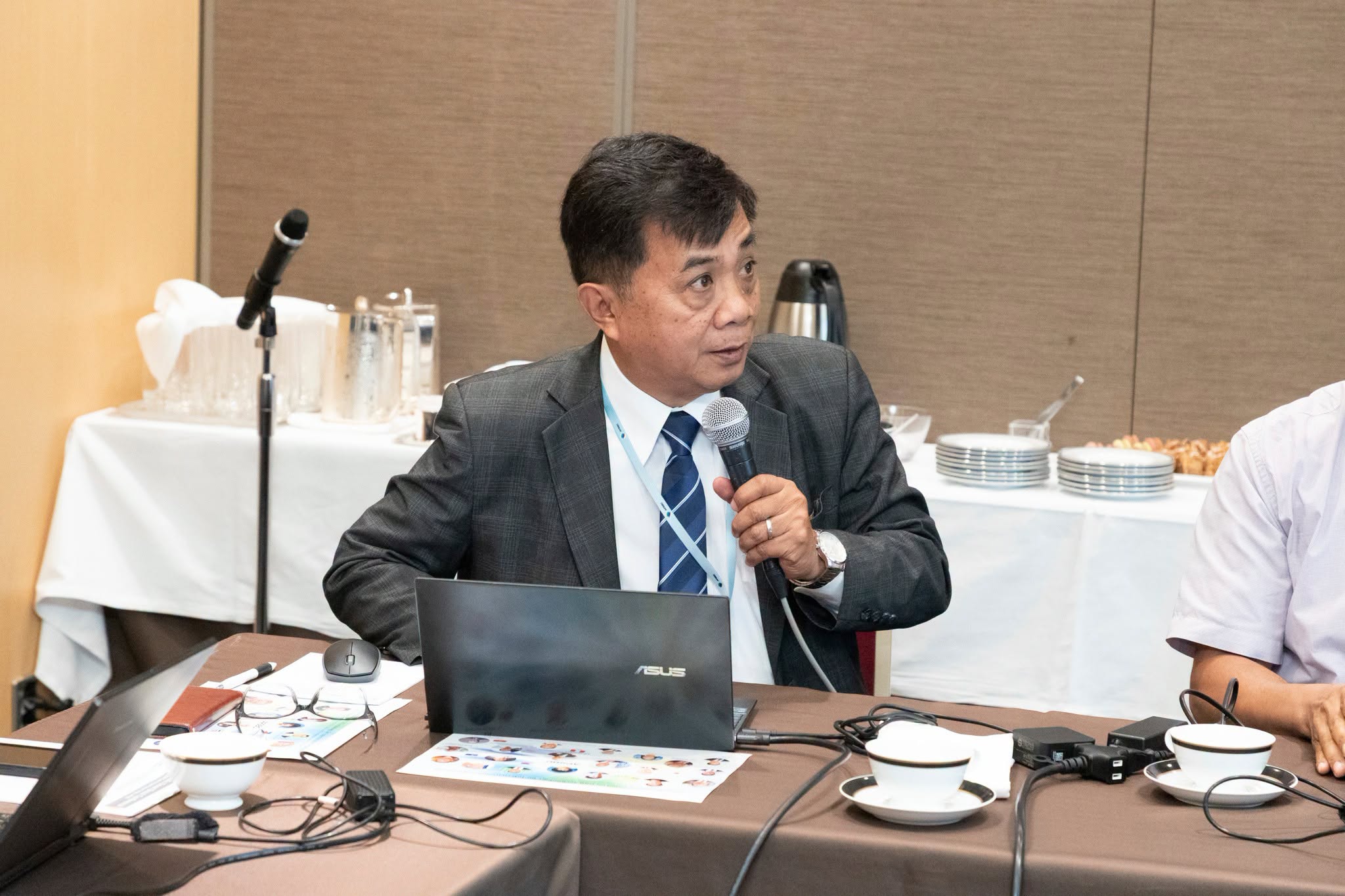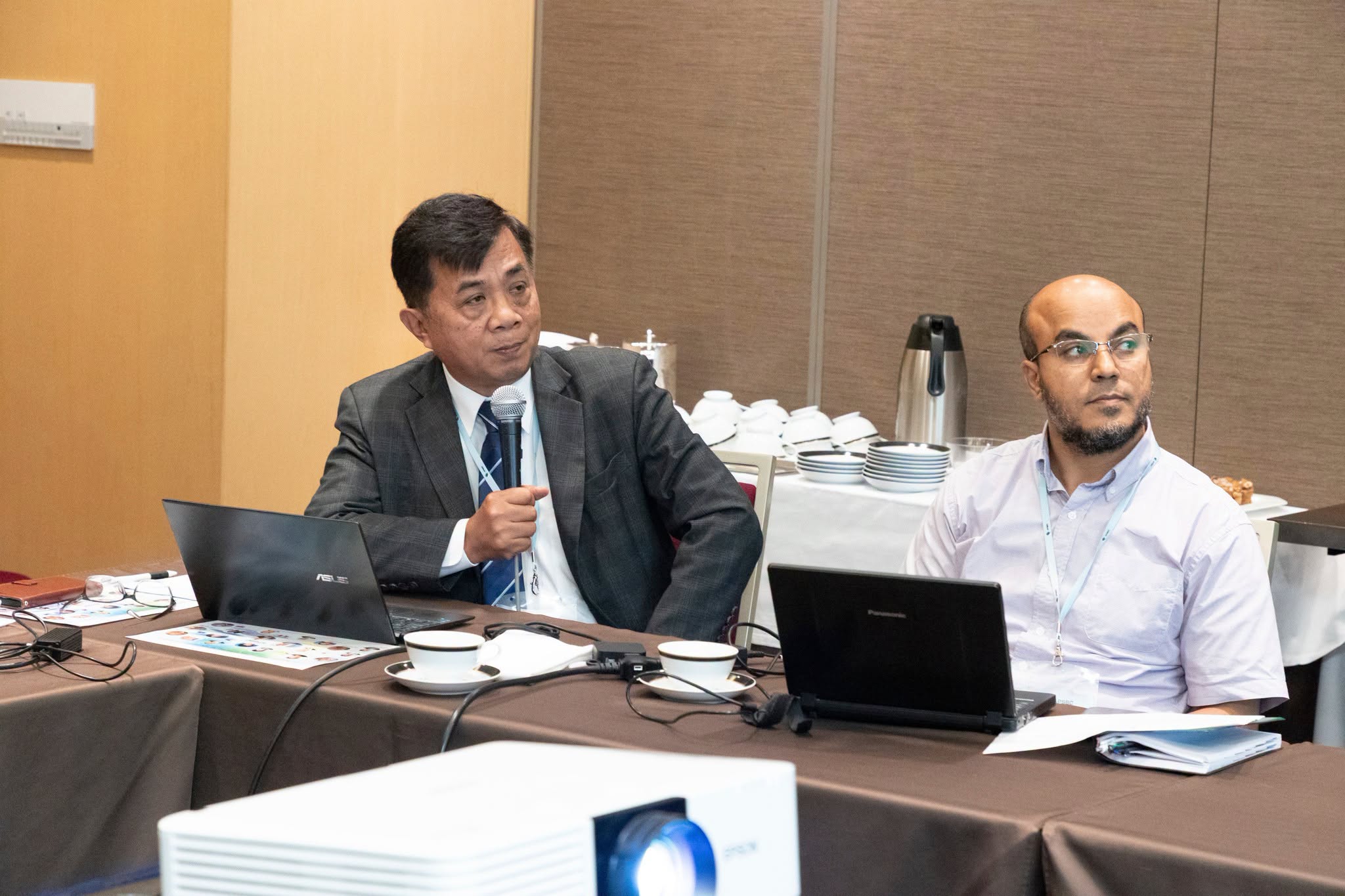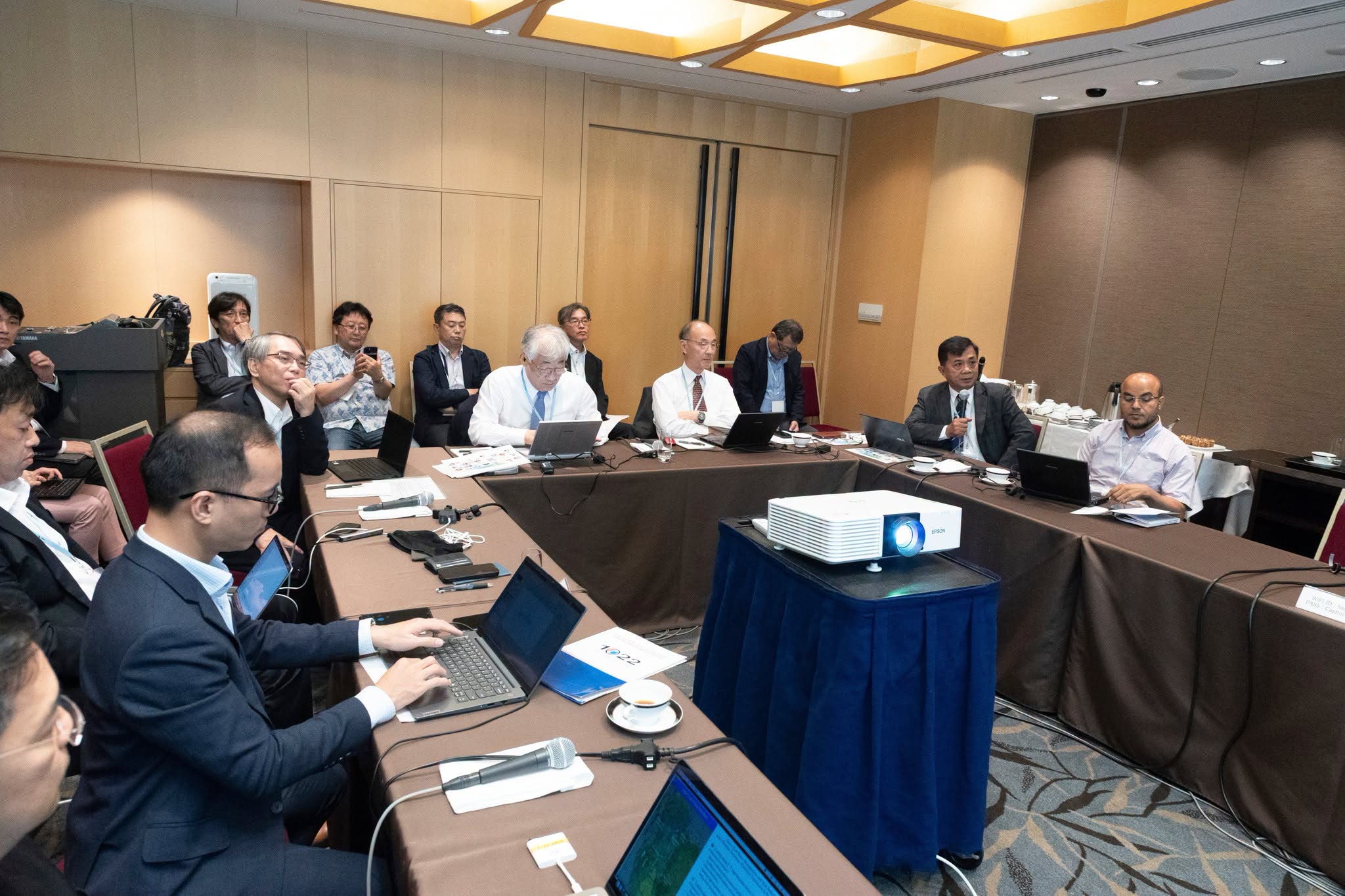



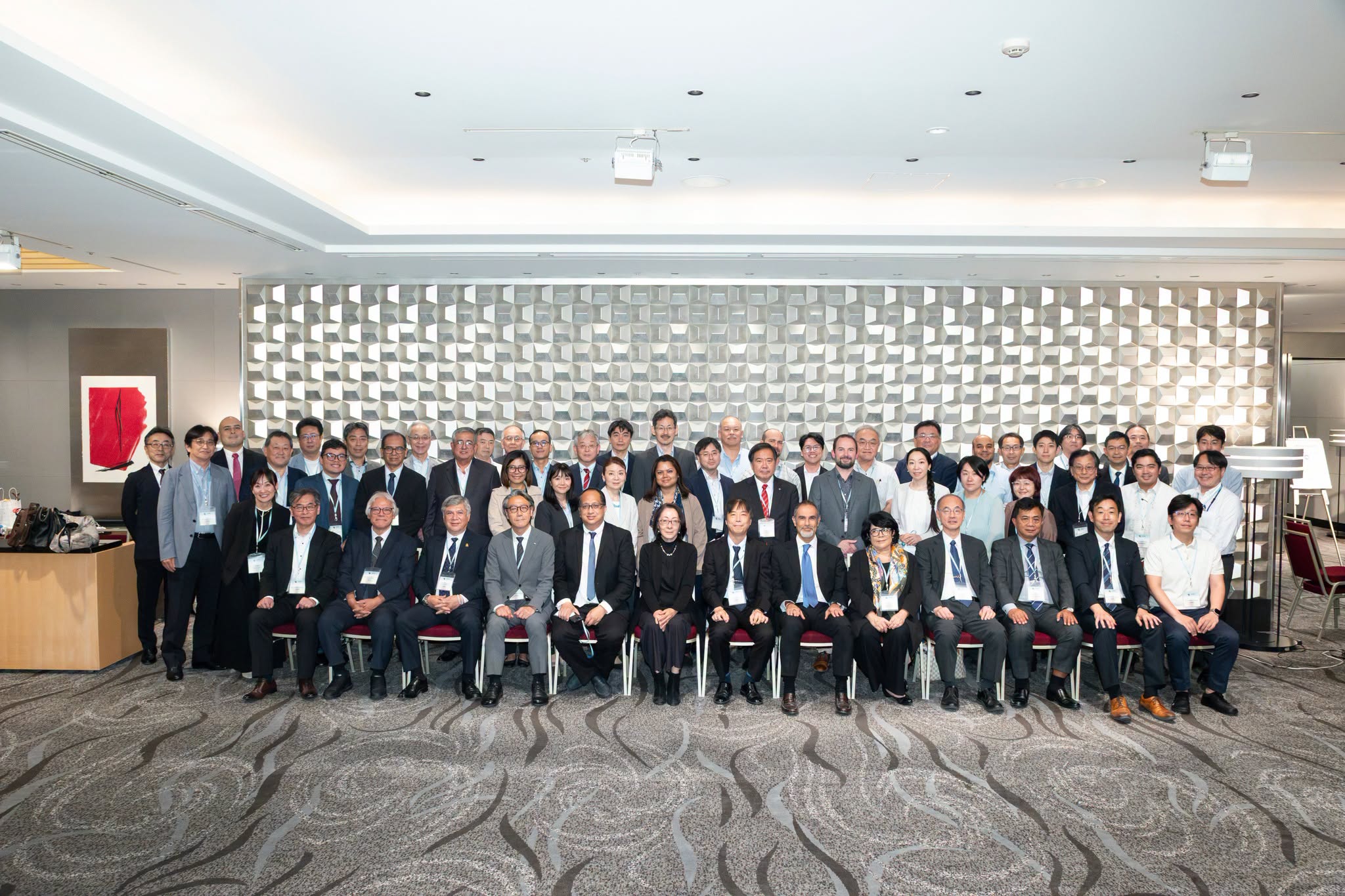
Isabela State University (ISU) has continuously spearheaded Integrated Water Resources Management (IWRM) initiatives to help shape a more resilient Asia-Pacific region through the technical expertise of Prof. Orlando F. Balderama (Vice President for Research and Development, Extension and Training), during the 1st Asia-Pacific Smart Bosai Conference held on July 1–2, 2026, at the Capitol Hotel Tokyu in Tokyo, Japan.
The said global academic gathering was organized under the Cabinet Office’s Cross-Ministerial Strategic Innovation Promotion Program (SIP), a flagship initiative of the Government of Japan, which underscores the integration of digital technologies, Artificial Intelligence, and smart data systems to advance holistic bosai (disaster risk reduction and prevention) across the Asia-Pacific region.
Prof. Balderama was invited by the National Research Institute for Earth Science and Disaster Resilience (NIED) to present his scholarly work titled “Smart Dam Operation Including Pre-release Using Ensemble Rainfall Forecasting at Magat Dam, Cagayan River Basin, Luzon, the Philippines,” alongside Prof. Tetsuya Sumi, a professor from Kyoto University, Japan. Prof. Balderama’s research is a pilot demonstration project at the Magat Dam, where pre-release dam operations based on ensemble rainfall forecasting have been successfully implemented. He also participated in the thematic expert session on internationally deployed and impactful SIP technologies and their real-world applications during the second day of the international conference. He shared valuable insights with an international audience on the effectiveness of integrating hydrological modeling, sediment management, and flood forecasting tools, such as the Soil and Water Assessment Tool (SWAT) and the Rainfall-Runoff-Inundation (RRI) model, to enhance water resources management in the Magat and Cagayan River Basins. These technologies provide critical scientific evidence for forecasting future water supply conditions and assessing flood risks under climate change scenarios.
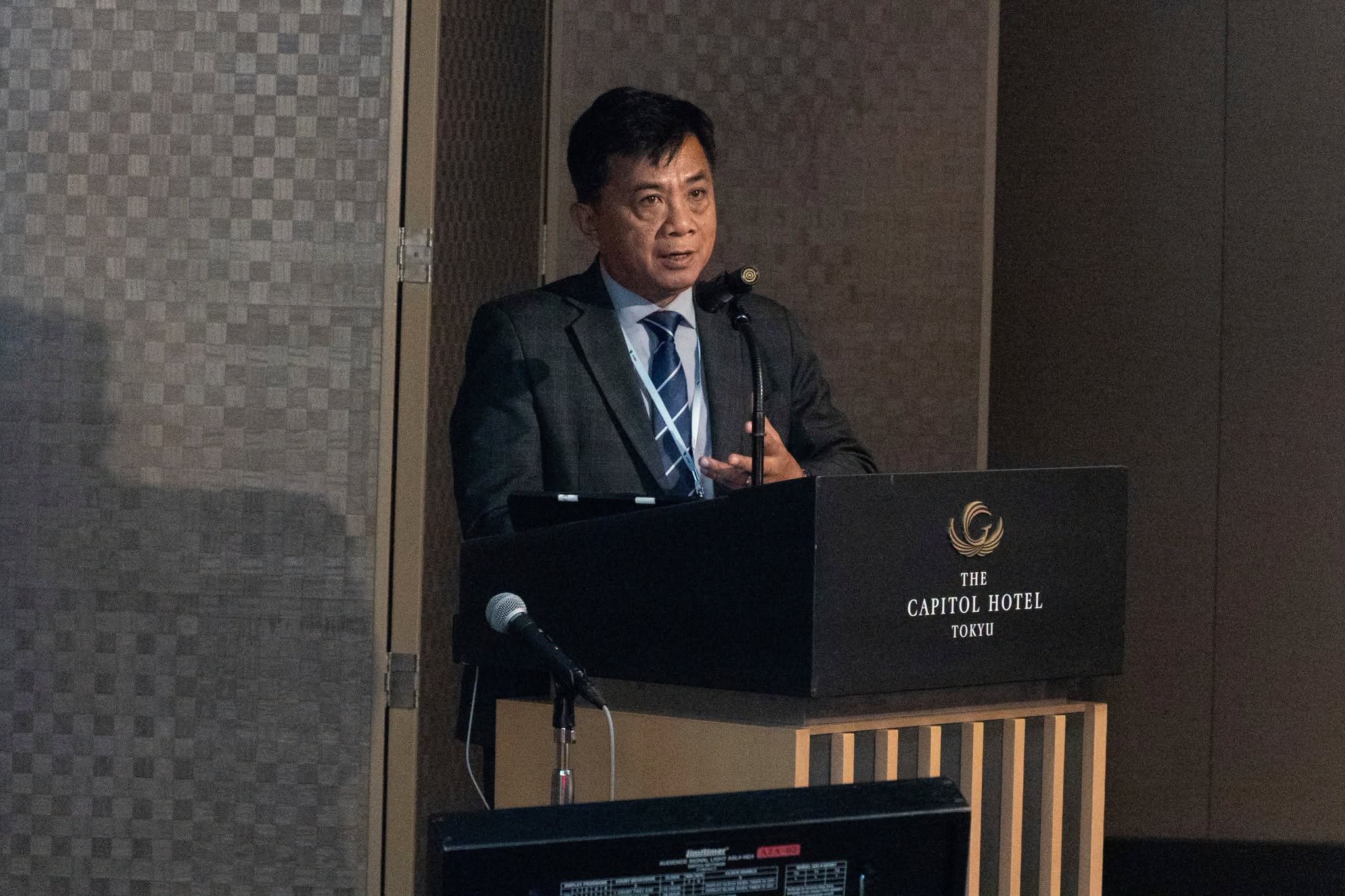
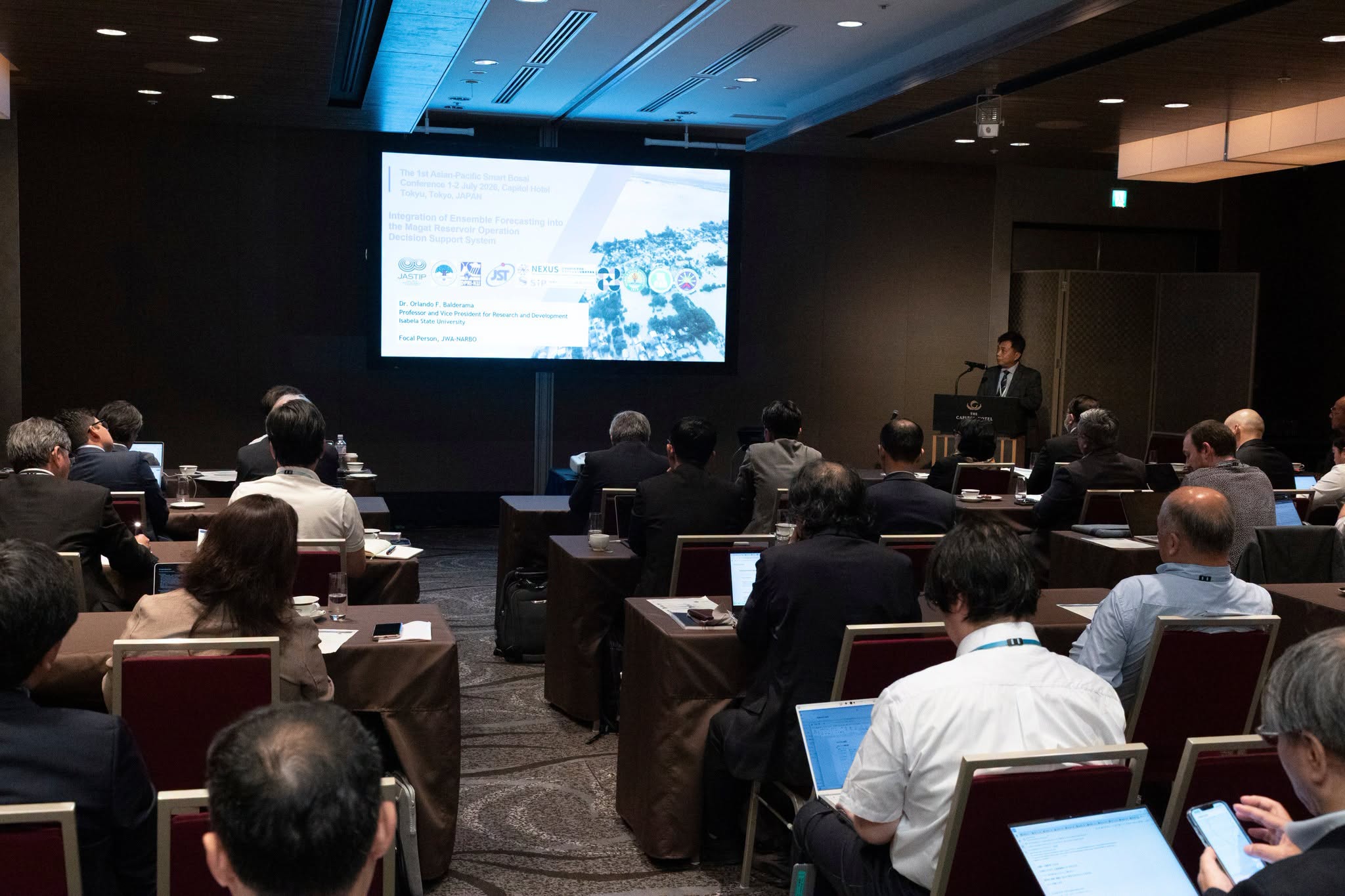
Moreover, global leaders and experts in disaster risk reduction and resilience were also invited to grace the conference. These included Ms. Mami Mizutori, Former Special Representative of the United Nations Secretary-General for Disaster Risk Reduction, and Dr. Marco Toscano-Rivalta, Chief of the Regional Office for Asia and the Pacific of the United Nations Office for Disaster Risk Reduction (UNDRR), who delivered special addresses on global leadership in disaster risk reduction. Meanwhile, Hon. Maria Antonia Yulo Loyzaga, Special Envoy of the President of the Philippines for Disaster Risk Reduction and Management, and Dr. Teresito C. Bacolcol, Director of the Philippine Institute of Volcanology and Seismology (PHIVOLCS), delivered transformative keynote speeches. Various leading experts and partner institutions from across the ASEAN region and beyond further enriched the academic discourse of the international conference, including Tohoku University, The University of Tokyo, Hokkaido University, Shibaura Institute of Technology, Kyoto University, the Advanced Telecommunications Research Institute International (Japan), CISMID of the National University of Engineering (Peru), and Isabela State University (Philippines).
The international convergence paved the way for open dialogue and a robust knowledge- and technology-sharing platform among participating countries and institutions working closely with Japan. It generated practical insights and significant contributions to regional and global discussions on disaster resilience and climate adaptation, including key recommendations for the upcoming Asia-Pacific Ministerial Conference on Disaster Risk Reduction (APMCDRR), which will be held in Japan in the fall of 2027. Through its active participation in high-level international scientific platforms, ISU continues to position itself as a globally engaged and future-ready institution that sustainably champions science-driven and community-responsive IWRM innovations and climate resilience across the Asia-Pacific region and beyond.
Photo Credits: National Research Institute for Earth Science and Disaster Resilience