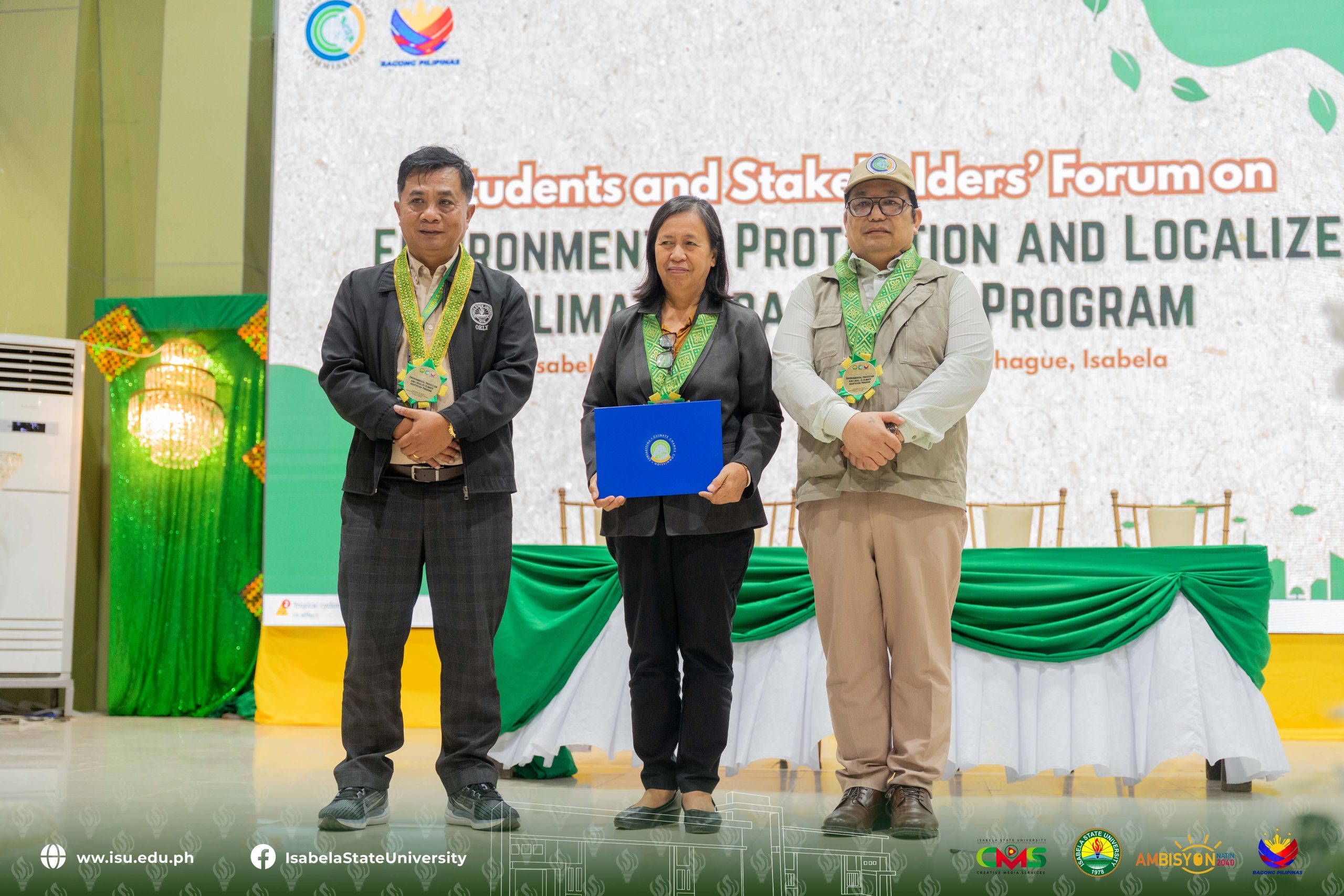
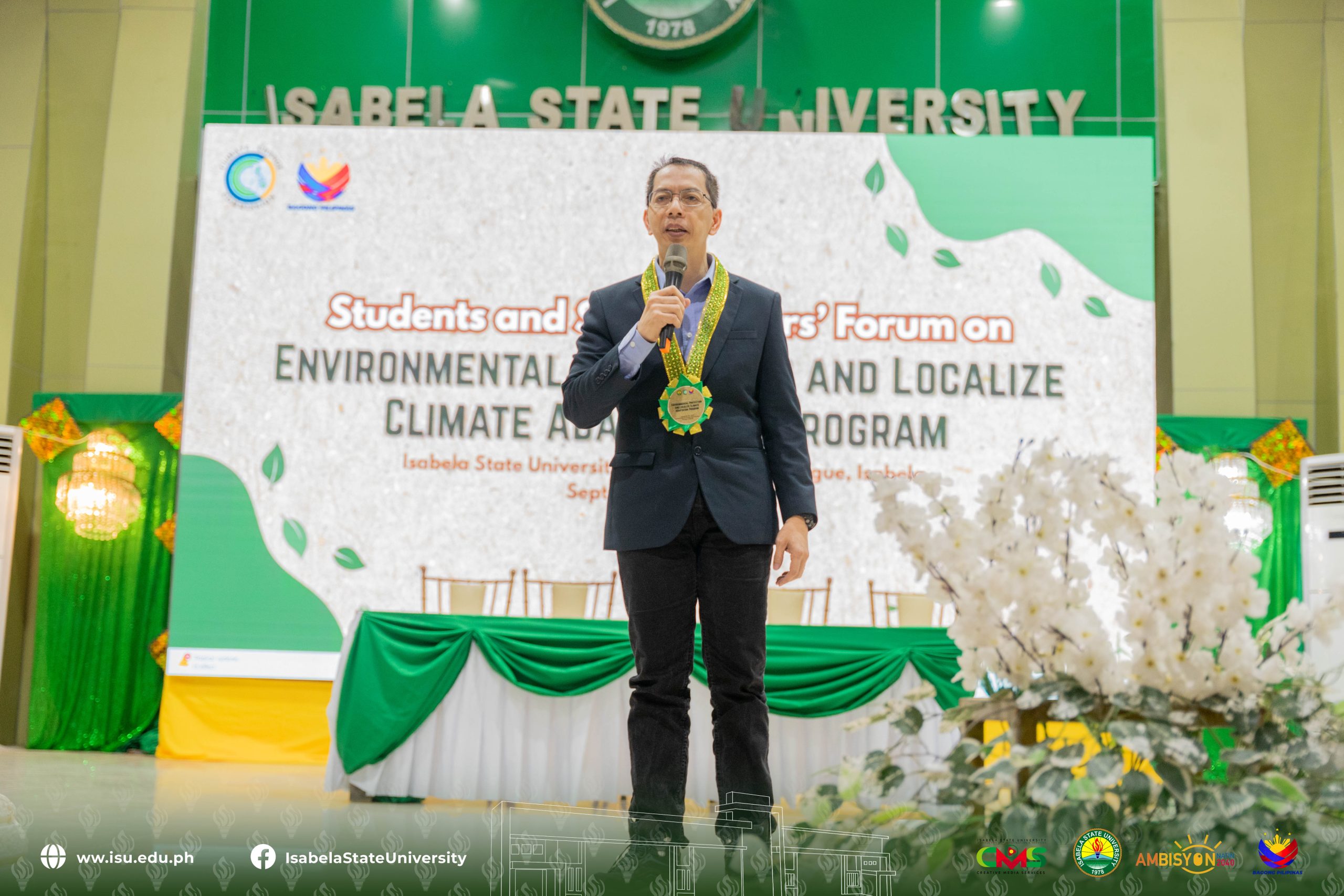
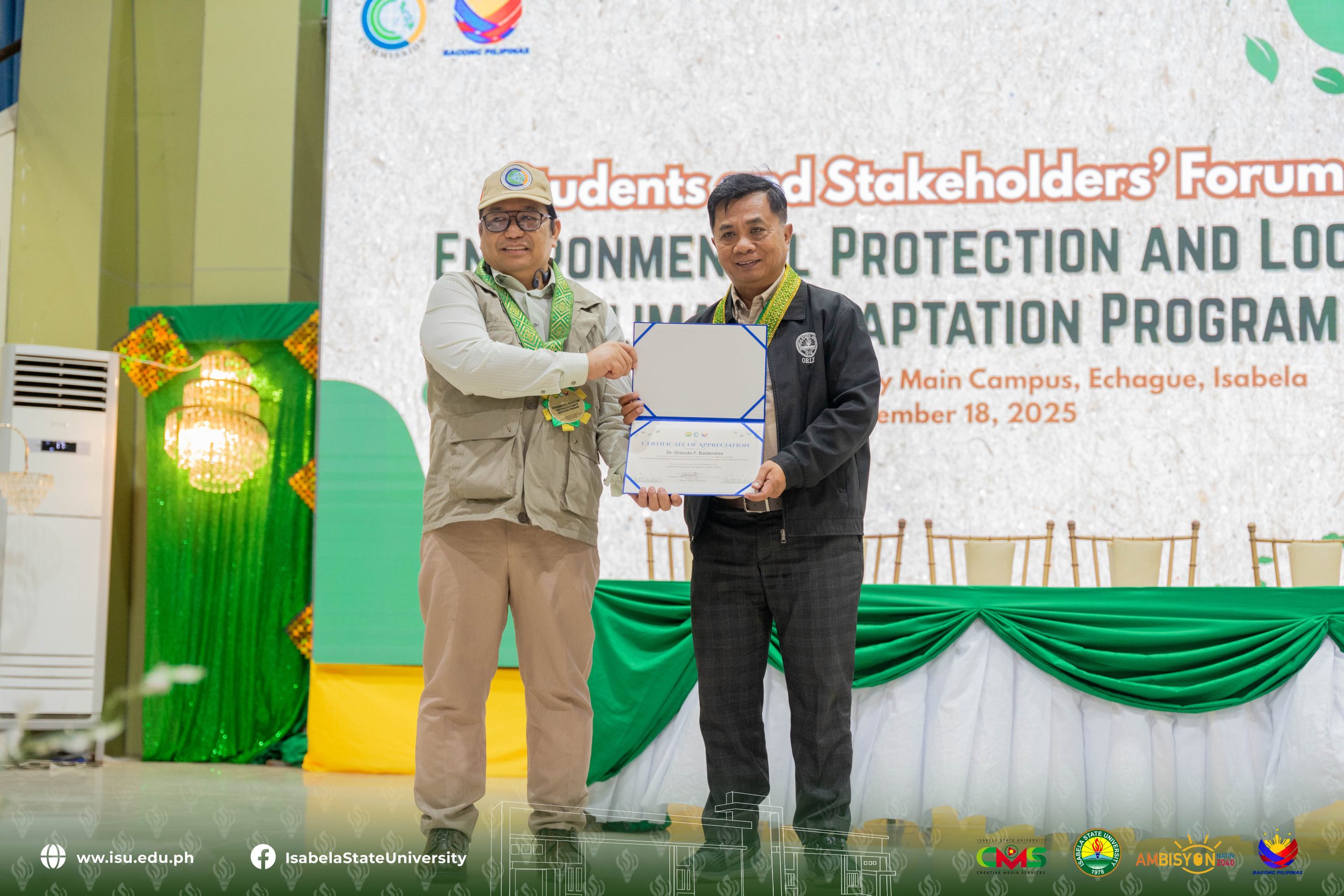
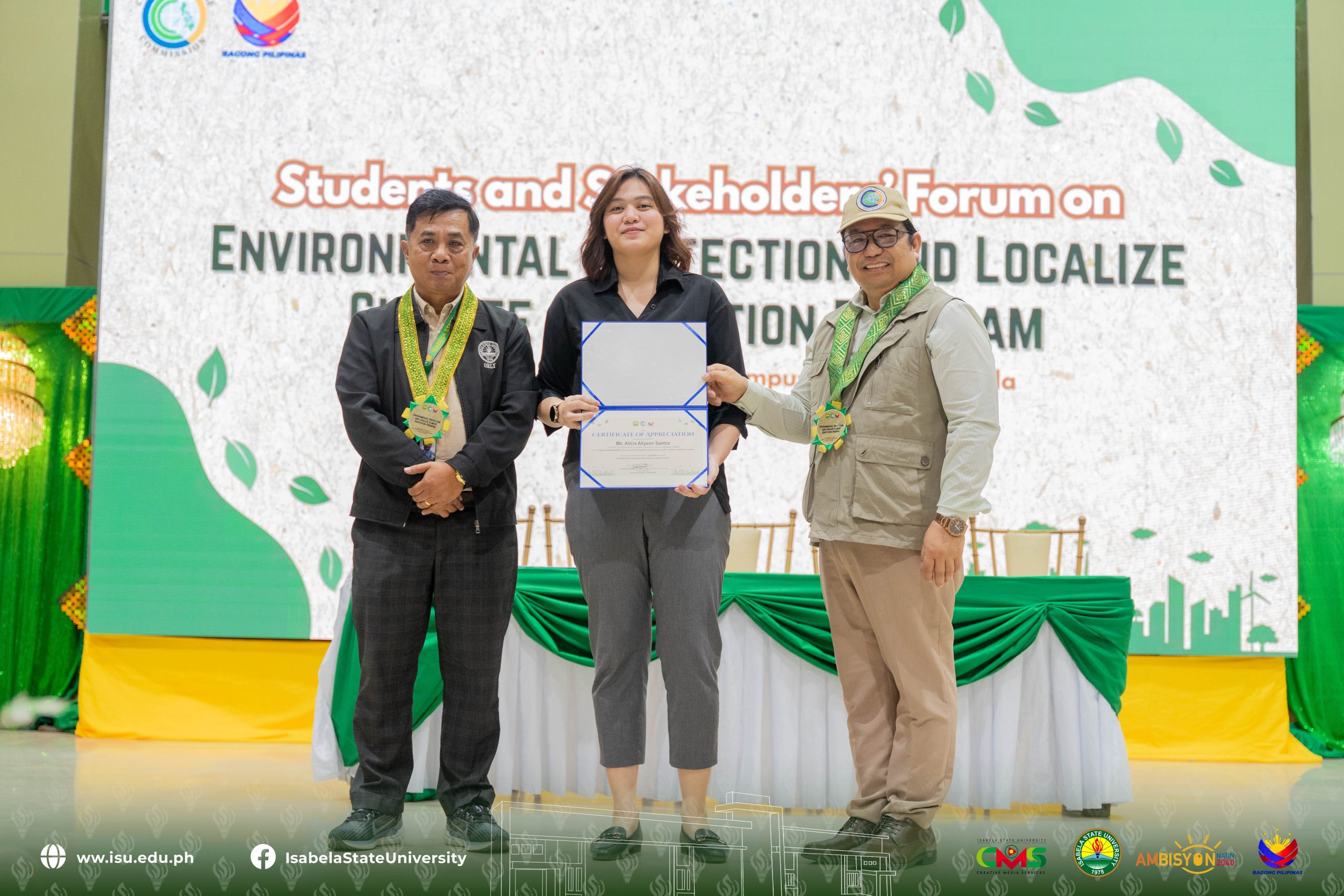
Thursday, September 18, 2025
The significance of these discussions is underscored by Cagayan Valley’s ecological importance, being home to the Northern Sierra Madre, the Philippines’ largest remaining tropical rainforest. The region plays a vital role in maintaining ecological balance and supporting agricultural resilience in Northern Luzon. However, increasing climate-related risks, including erratic weather patterns and watershed degradation, threaten the region’s natural resources and the economic stability of communities that depend on agriculture and other climate-sensitive livelihoods.
Recognizing these challenges, the initiative was aligned with the Philippine Climate Change Framework and international commitments, including the Paris Agreement. It emphasized the need to translate policy discussions into practical local adaptation strategies and coordinated programs that protect vulnerable populations, strengthen livelihood security, and address the interconnected challenges of environmental degradation and poverty.
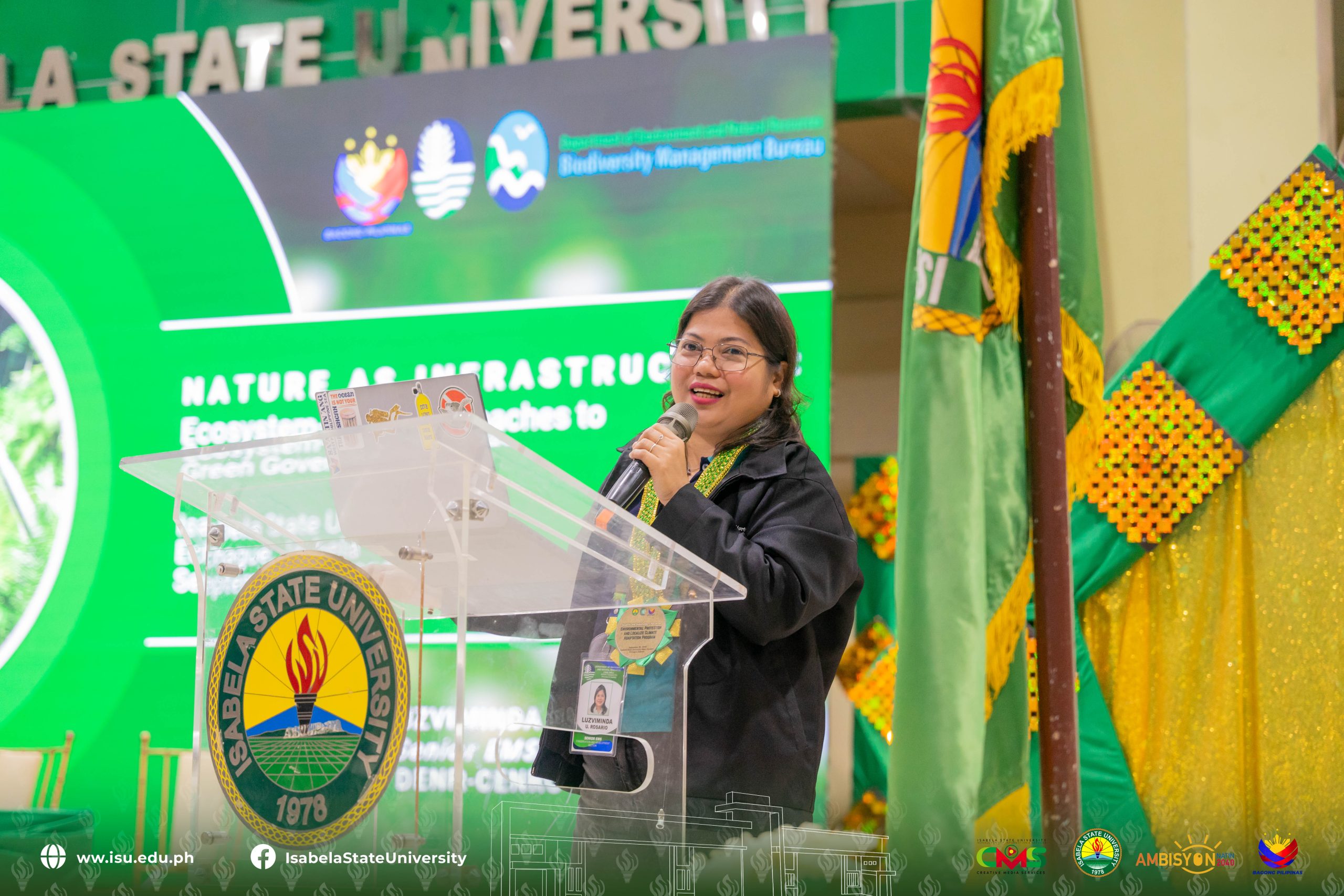
Furthermore, the event introduced carbon markets as a potential financing mechanism for local climate initiatives. Through the buying and selling of carbon credits, these mechanisms may provide opportunities to mobilize resources for nature-based solutions, ecosystem protection, and community-driven climate adaptation projects. Such approaches can support sustainable livelihood opportunities while strengthening the capacity of local communities to respond to climate-related risks.
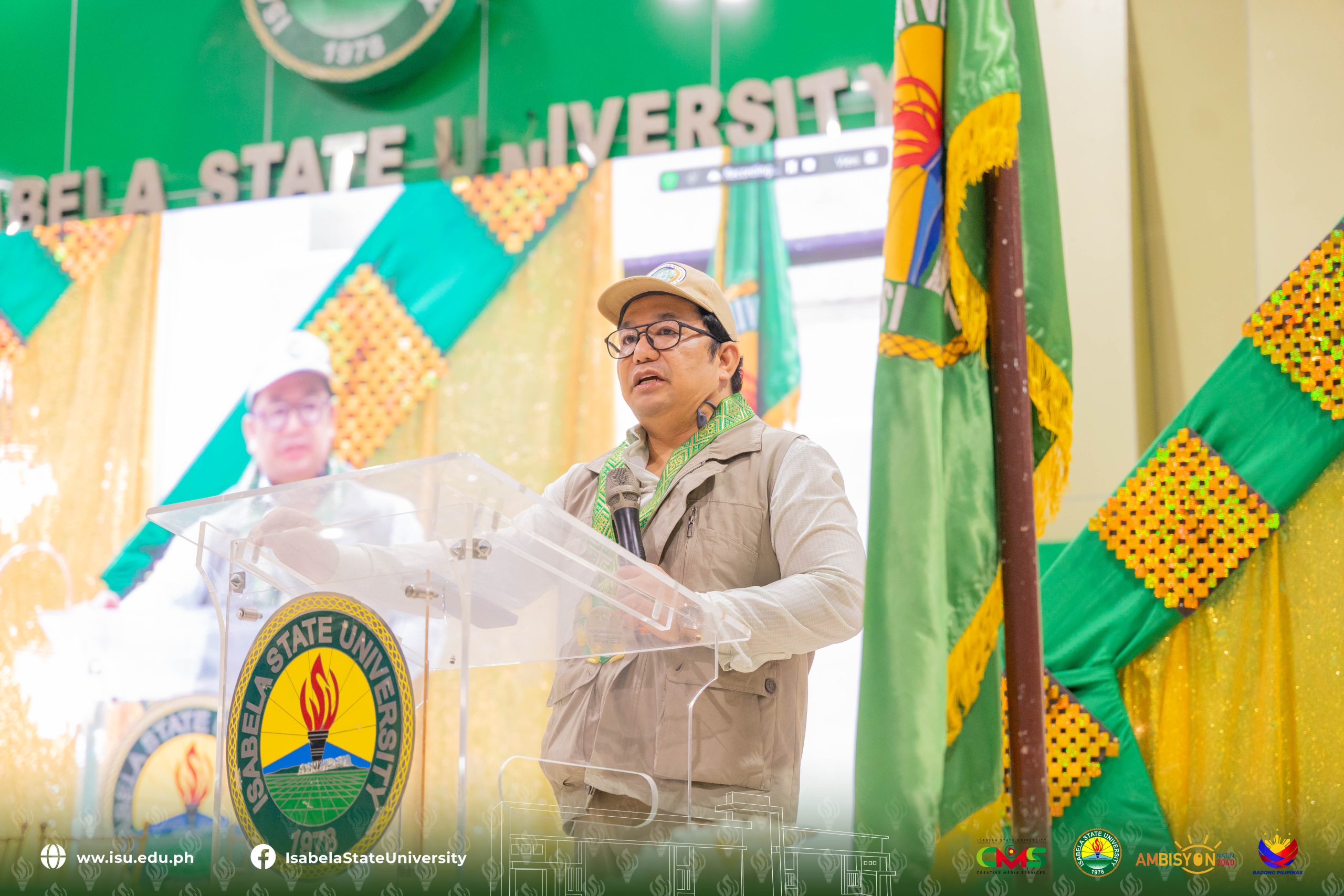
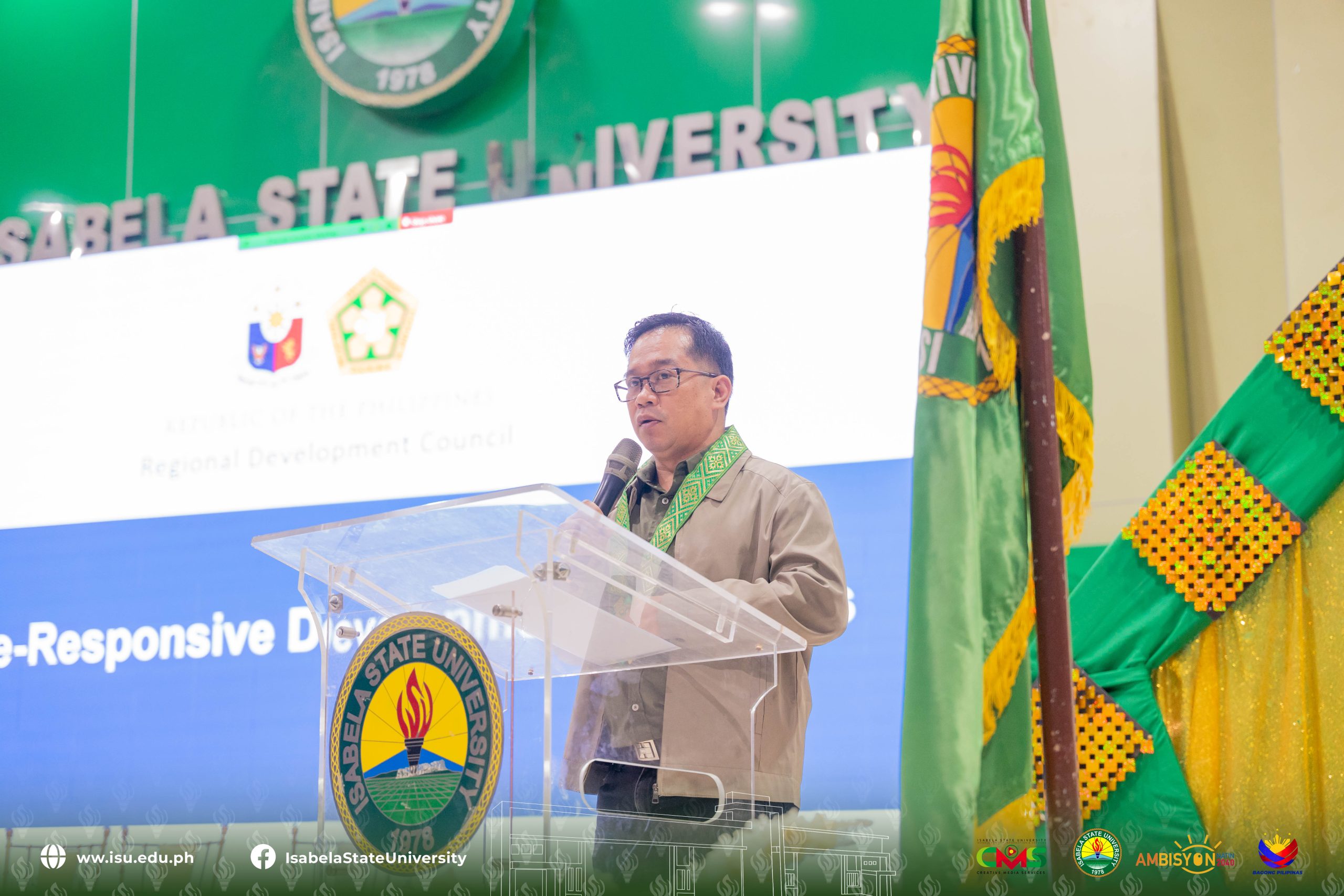
Through its role as host and institutional convenor, Isabela State University demonstrates its commitment to participating in regional policy dialogue and multi-stakeholder collaboration. By facilitating engagement among government institutions, local communities, academic stakeholders, and the youth, the University contributes to shaping climate-responsive policies and programs that address the root causes and consequences of poverty. These efforts recognize that building climate resilience, protecting natural resources, and safeguarding agricultural livelihoods are essential to reducing vulnerabilities and achieving sustainable development.
Ultimately, the initiative reinforces the University’s role as an active partner in policy development and implementation, advocating for inclusive, evidence-informed, and collaborative approaches to ending poverty in all its dimensions.