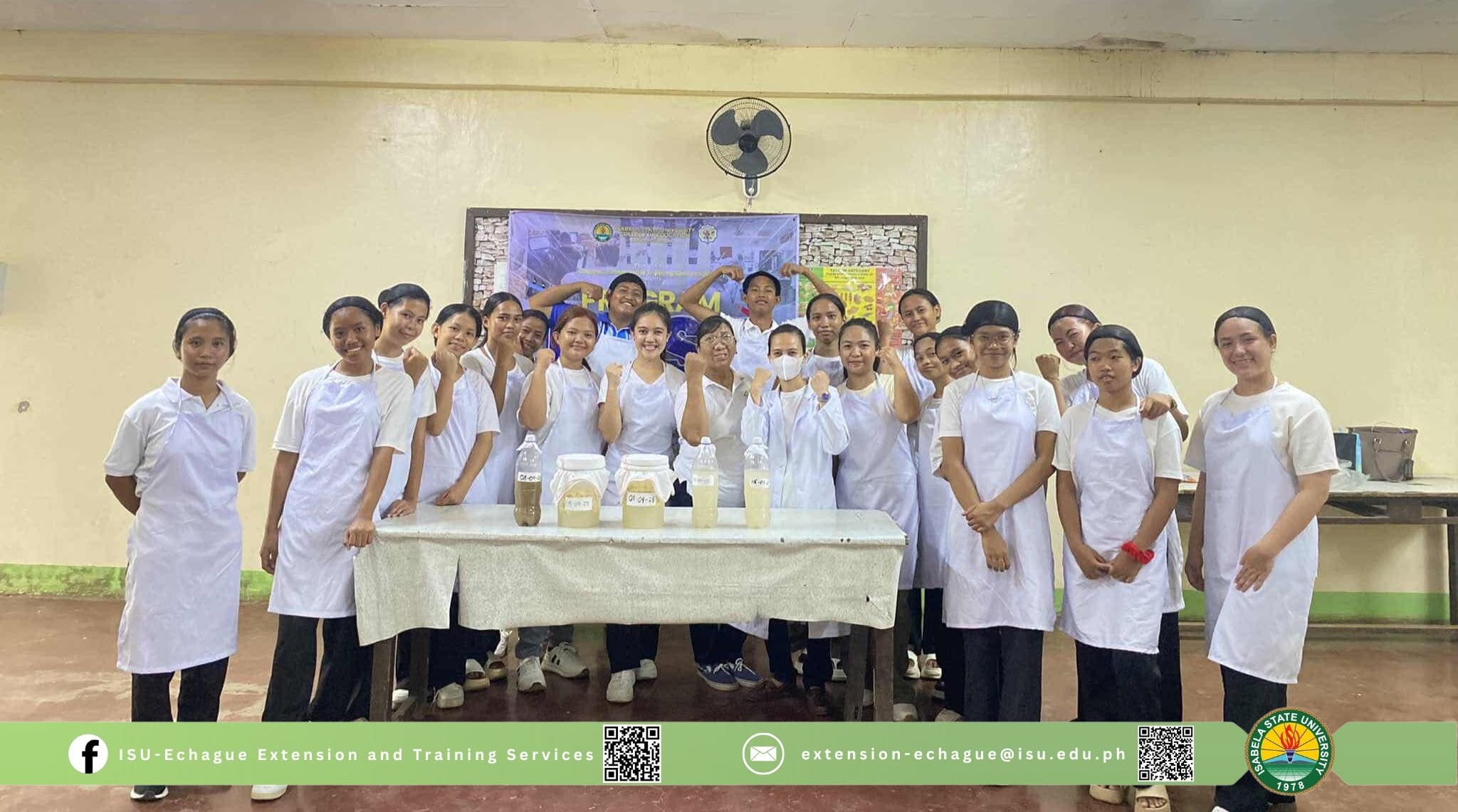



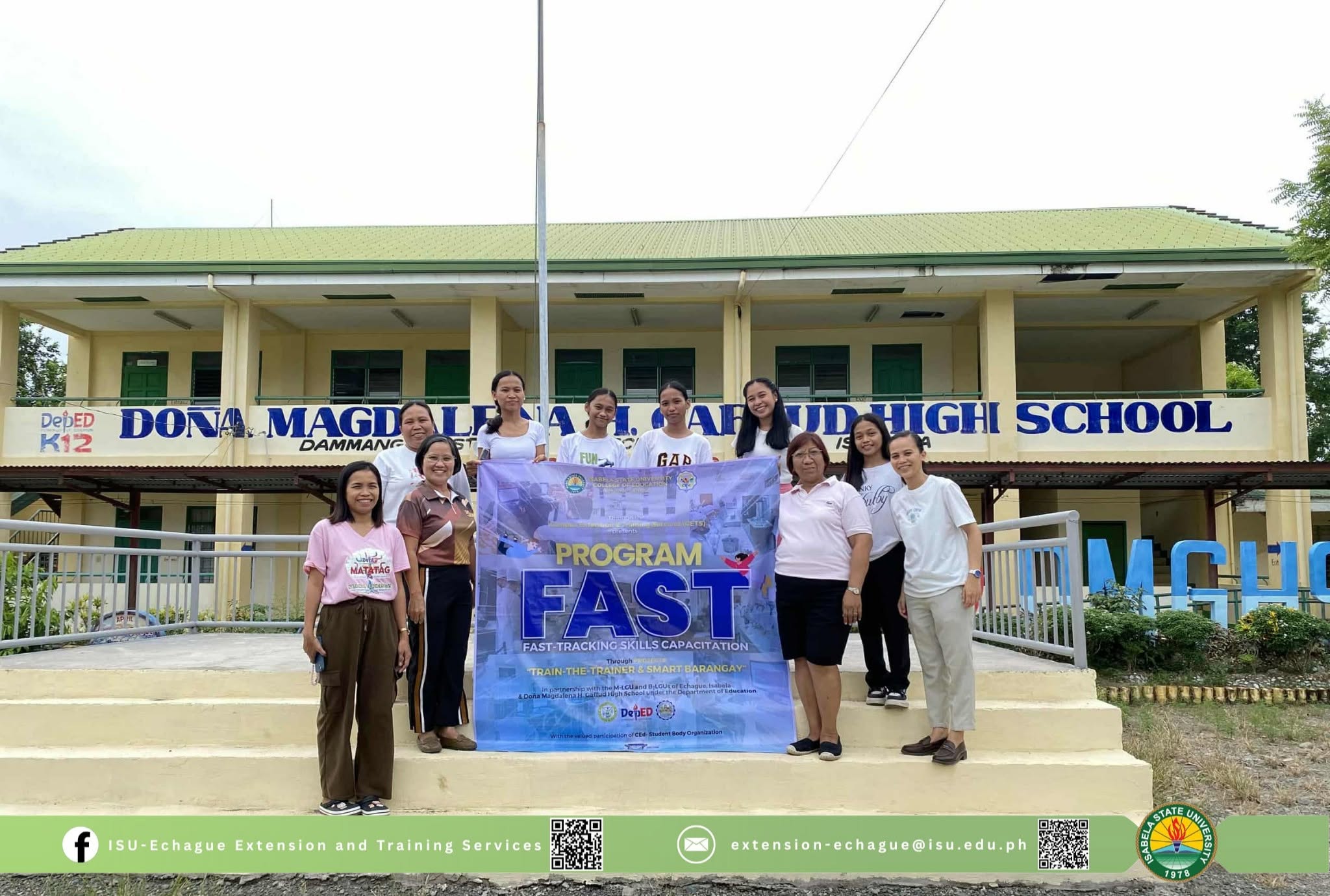
Isabela State University, through its College of Education and Campus Extension and Training Services (CETS), provided community-based technical assistance and skills development opportunities to secondary students in the Riverside area of Echague, Isabela, through Project Train-the-Trainer under Program FAST (Future-Ready Advancement for Skills and Technology), implemented at Doña Magdalena H. Gaffud High School in Dammang West.
Conducted over six consecutive Fridays, from April 25 to May 30, 2025, the initiative aimed to develop competent food processing trainers who could transfer their knowledge and practical skills to other members of their communities. Through this approach, the University seeks to establish a sustainable cycle of knowledge-sharing, skills development, and livelihood generation at the local level.
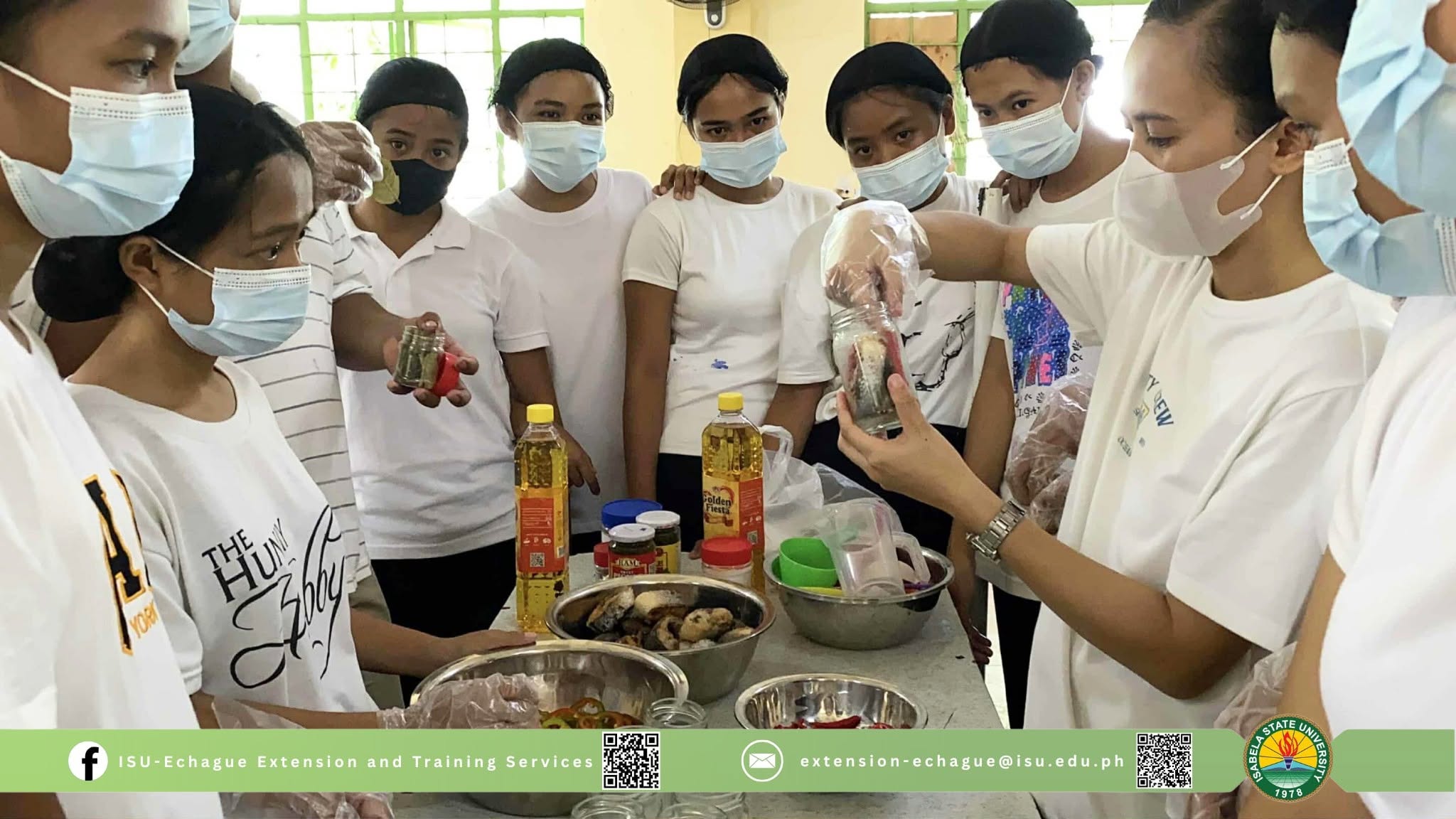
The training covered essential food processing techniques, including drying and dehydration, salting, curing and smoking, fermentation and pickling, concentrated sugar products, and thermal processing. To strengthen the participants’ technical competencies and ensure the consistent application of food processing standards, the University provided structured workbooks containing standardized recipes, step-by-step procedures, knowledge assessments, and practical exercises. These learning resources served as practical references that participants could use when applying their skills and conducting future community-based training activities.
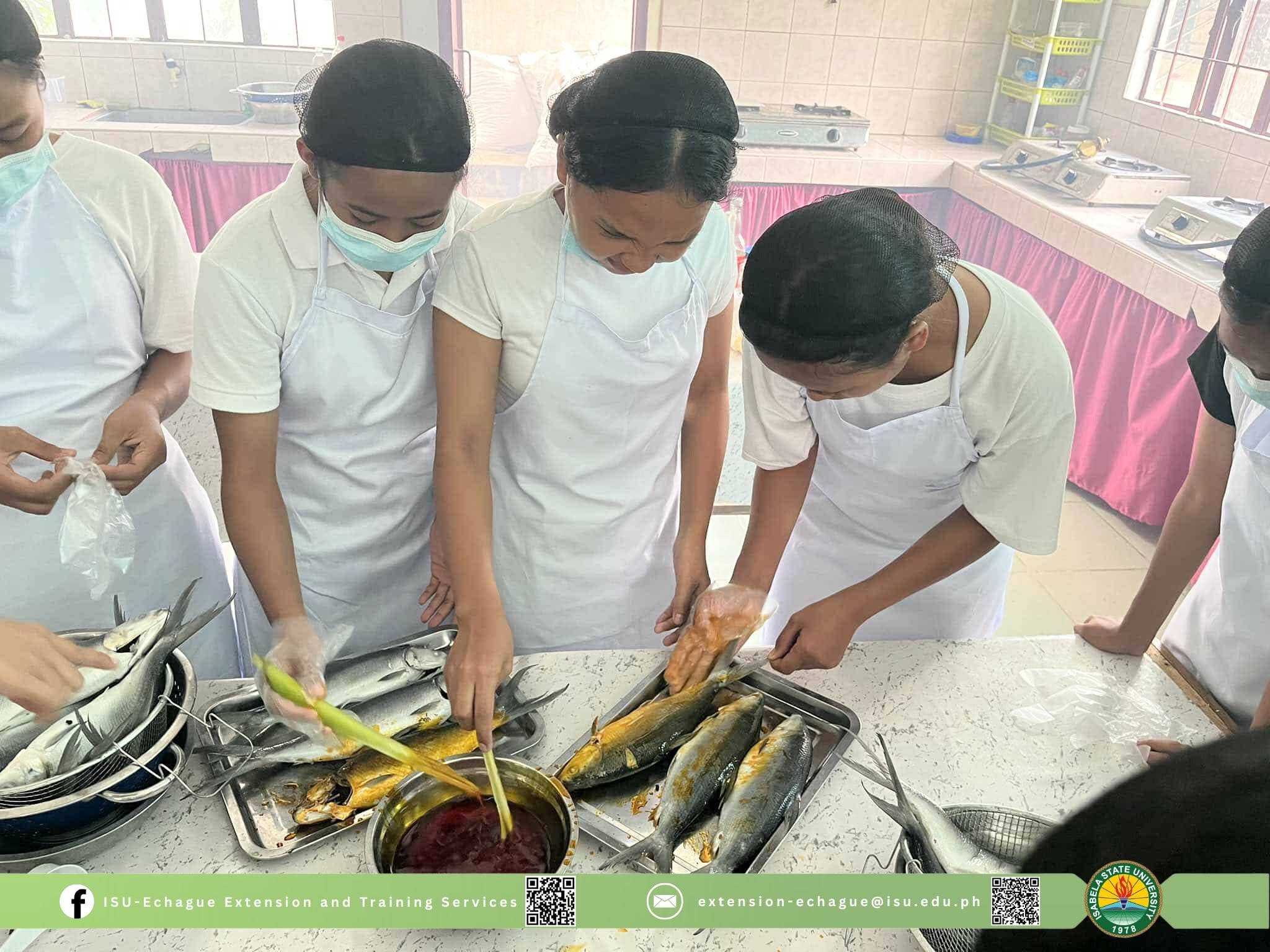
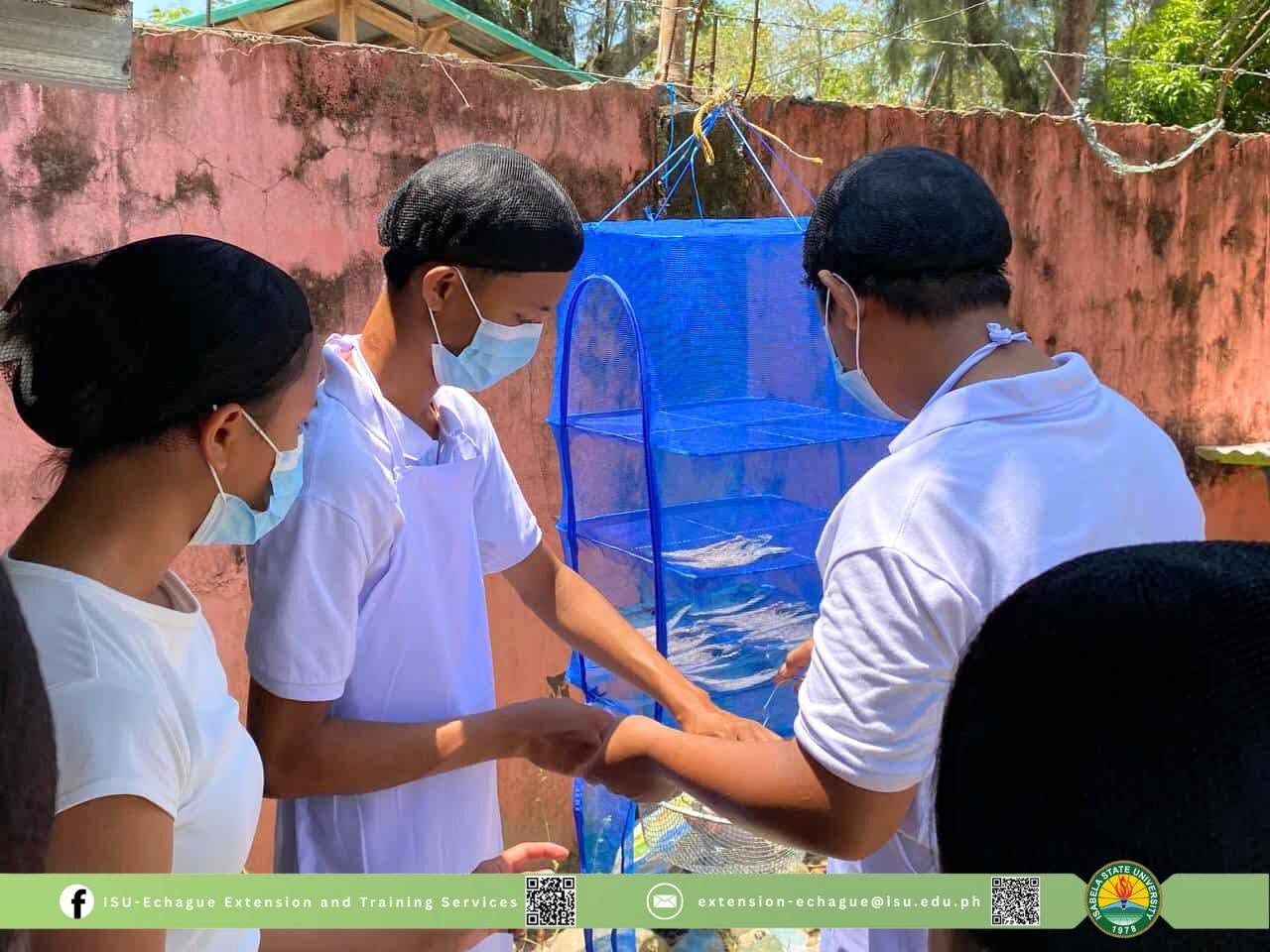
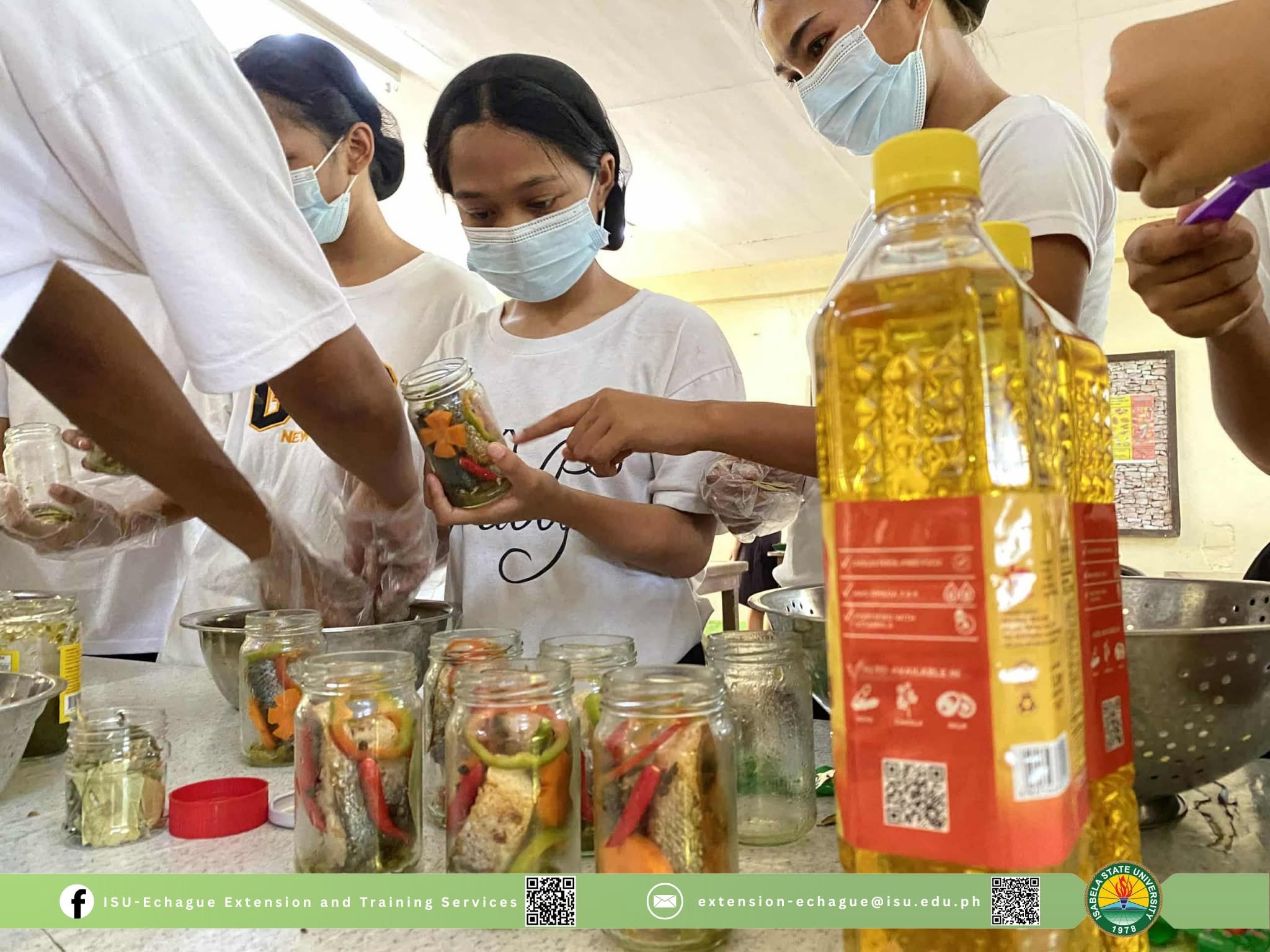
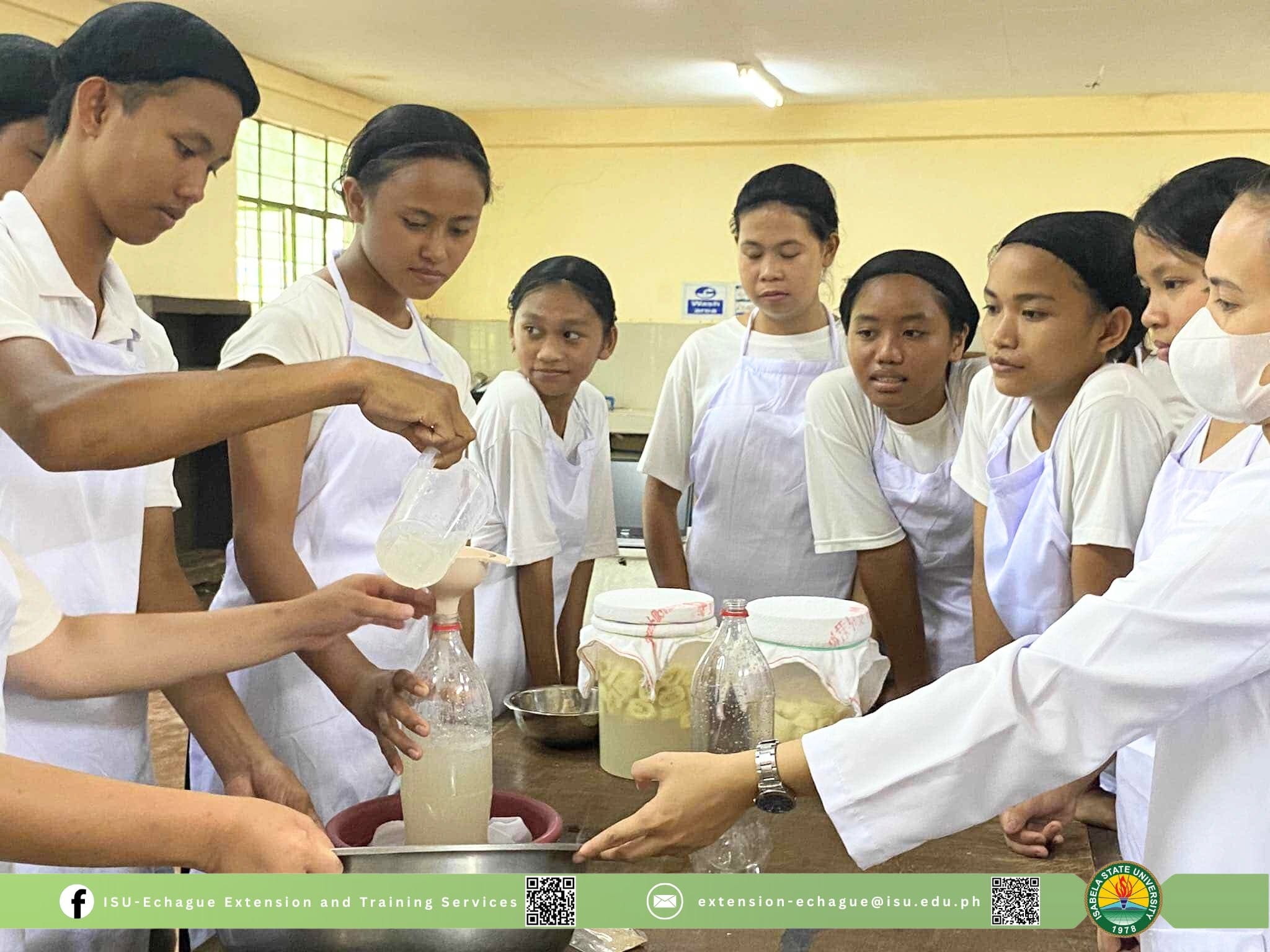
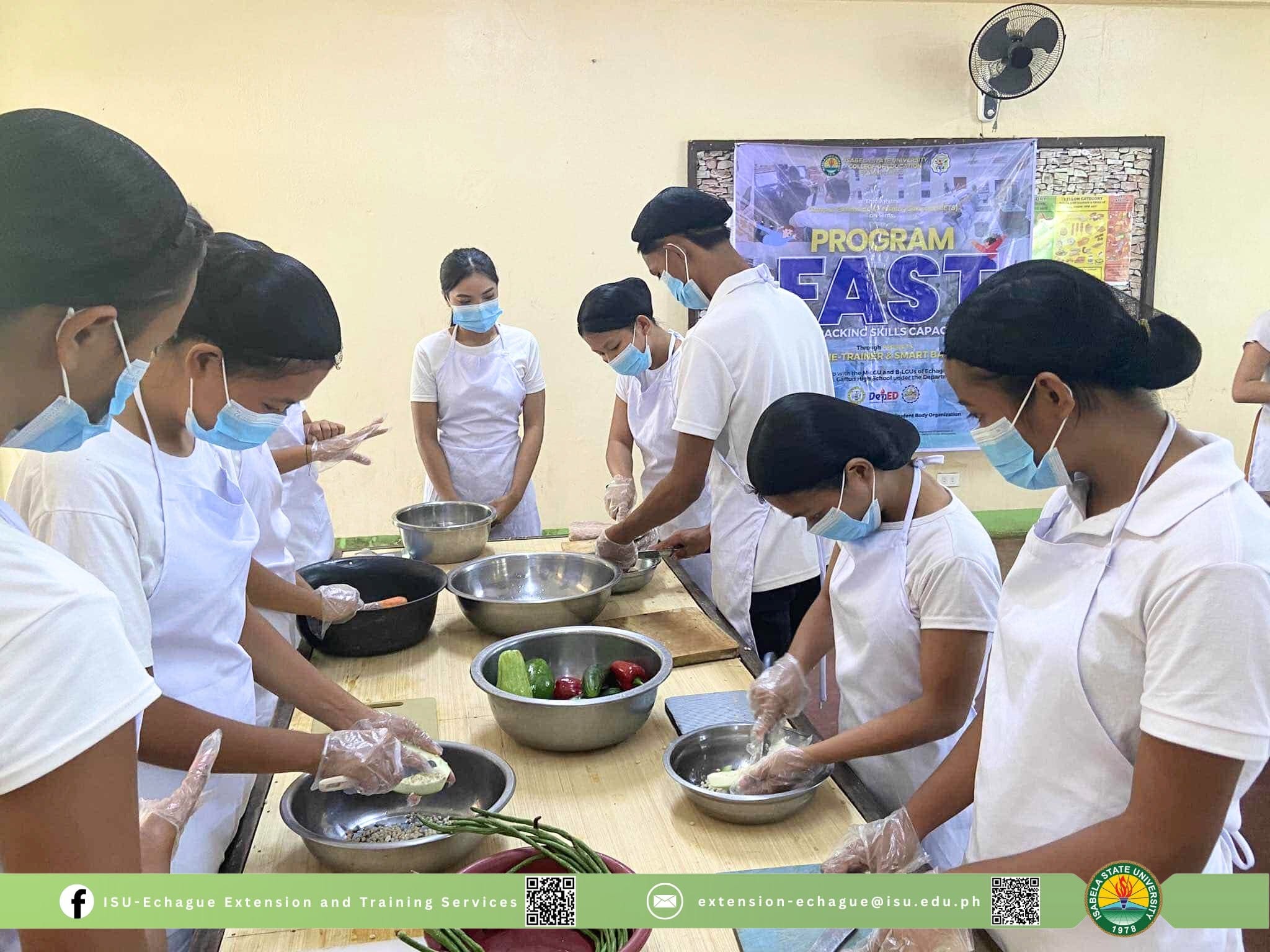
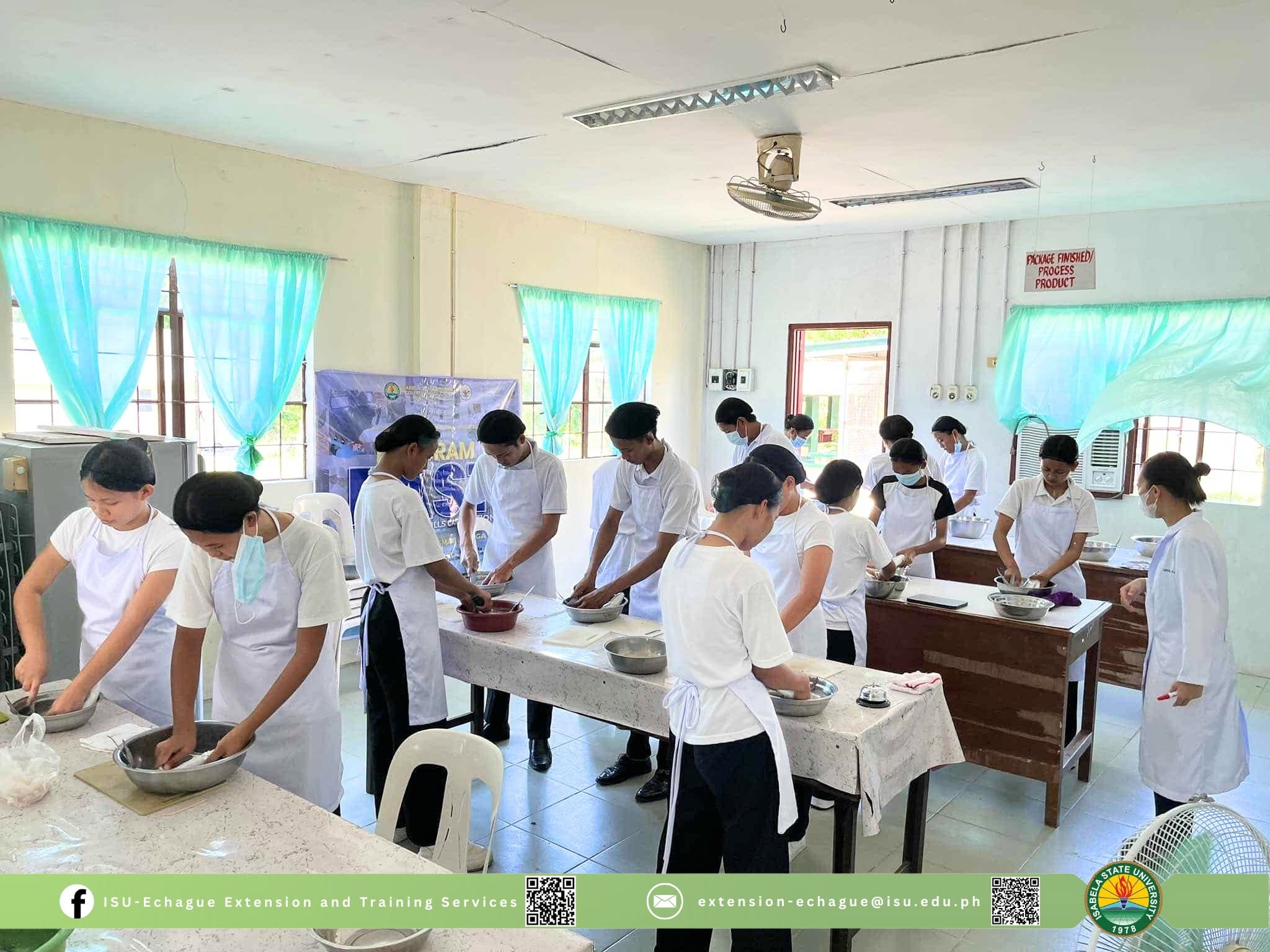
Beyond technical instruction, the initiative also emphasized knowledge transfer and the development of local trainers who could help expand livelihood opportunities within their communities. Raimel Agustin, one of the trainees, emphasized that the training provided an opportunity not only to acquire new skills but also to share knowledge and inspire others.
“Gusto kong ibahagi ang natutunan ko sa komunidad para makatulong sa pagpapalago ng kabuhayan nila hindi lang dito sa riverside region ng Echague kundi sa iba pa,” he said.
Agustin added that he looks forward to applying his newly acquired competencies and helping other community members discover opportunities for livelihood development.
“Excited na po ako sa Phase 2 ng FAST, kasi makakapag-share [na] ako ng aking kaalaman sa ibang lugar para makapagbigay ng pag-asa at inspirasyon,” he stated.
In Phase 2, the trained participants will be deployed to other barangays in Echague for training exposures, allowing them to share their acquired knowledge and practical skills with more community members. This train-the-trainer approach extends the University’s technical assistance beyond the initial beneficiaries and strengthens the potential for sustained community-level capacity development.
Juliann Batag, another trainee, shared that one of the most challenging aspects of the training was accurately following the prescribed procedures and learning to operate unfamiliar equipment.
“Isang maliit na pagkakamali sa measurements ay maaaring makaapekto sa pangkalahatang kalidad ng produkto… At dahil hindi ako masyadong pamilyar sa ilang kagamitan noong una, kailangan kong matutunan kung paano gamitin ang mga ito nang maayos at ligtas,” she said.
Batag also recognized the guidance provided by the faculty-trainers and facilitators, whose assistance ensured that participants performed the activities properly and safely, helping them complete the practical exercises successfully.
Meanwhile, Alexis Mae Aquino, a facilitator and alumna of the Bachelor of Technology and Livelihood Education (BTLED) program, highlighted how the initiative also provided opportunities for knowledge application and professional development. As a National Certificate II (NC II) holder, she was able to utilize her technical competencies and academic training in facilitating the activities and mentoring the participants.
“During the Project Train the Trainer, I think nagamit ko lahat ng natutunan ko sa BTLEd at sa NC II qualification na meron ako. Nakapag-share ako ng knowledge at practical skills sa mga trainees na magagamit din nila sa pang-araw-araw na buhay,” Aquino said.
She added that witnessing the trainees confidently apply their newly acquired skills was one of the most rewarding aspects of the project.
Moreover, Principal Emiliana D. Caluya underscored the broader benefits of the initiative, emphasizing its potential to improve the economic and social well-being of the community.
“Ang kagandahang naidudulot ng Project Train-the-Trainer ay ang pagkakataon ng bawat participant na matuto sa mga skills na magagamit nila para sa kanilang pangkabuhayan,… Eventually, the whole community will become engaged and productive,” she said.
Caluya further emphasized that encouraging participants to share their acquired competencies with others can strengthen community participation, promote productivity, and create opportunities for sustainable livelihood development.
Through Project Train-the-Trainer, Isabela State University demonstrates its commitment to extending university-based knowledge, technical expertise, and educational resources to local communities. By providing relevant training, instructional materials, faculty guidance, and opportunities for skills transfer, the University helps equip community members with practical competencies that can be translated into livelihood activities and potential small-scale food processing enterprises. These interventions contribute to strengthening local economic capacities, promoting community self-reliance, and creating opportunities for financially viable and socially sustainable community-based businesses.
Content and Photo Credits: ISU Echague Extension Office