

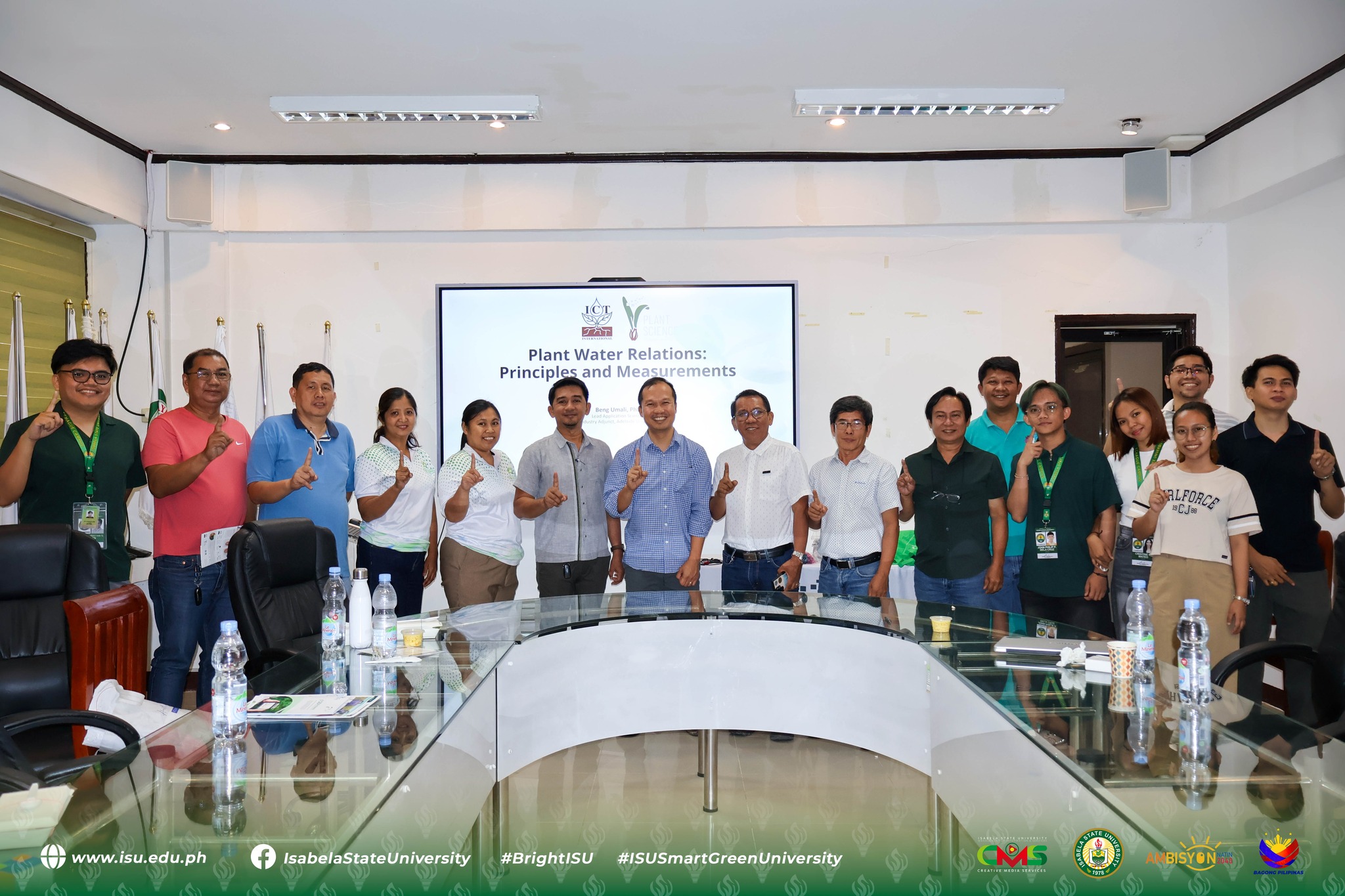
Isabela State University (ISU), through its research and development initiatives, successfully hosted a specialized workshop titled “Principle and Measurement in Plant Water Relations” at the Valmayor Hall, CVAARRD Building, bringing together experts, researchers, and participants from various colleges and departments of the university.
The workshop was spearheaded by Dr. Beng Umali, ICT International Lead Application Scientist and Industry Adjunct at Adelaide University, representing Plant Science Philippines Corporation. Dr. Umali was joined by his technical team, including Mr. Nate Racelis of Batangas State University – Alangilan Campus and For. Carl Philip Ortiz of the University of the Philippines Los Baños, both serving as technical specialists in plant science instrumentation.
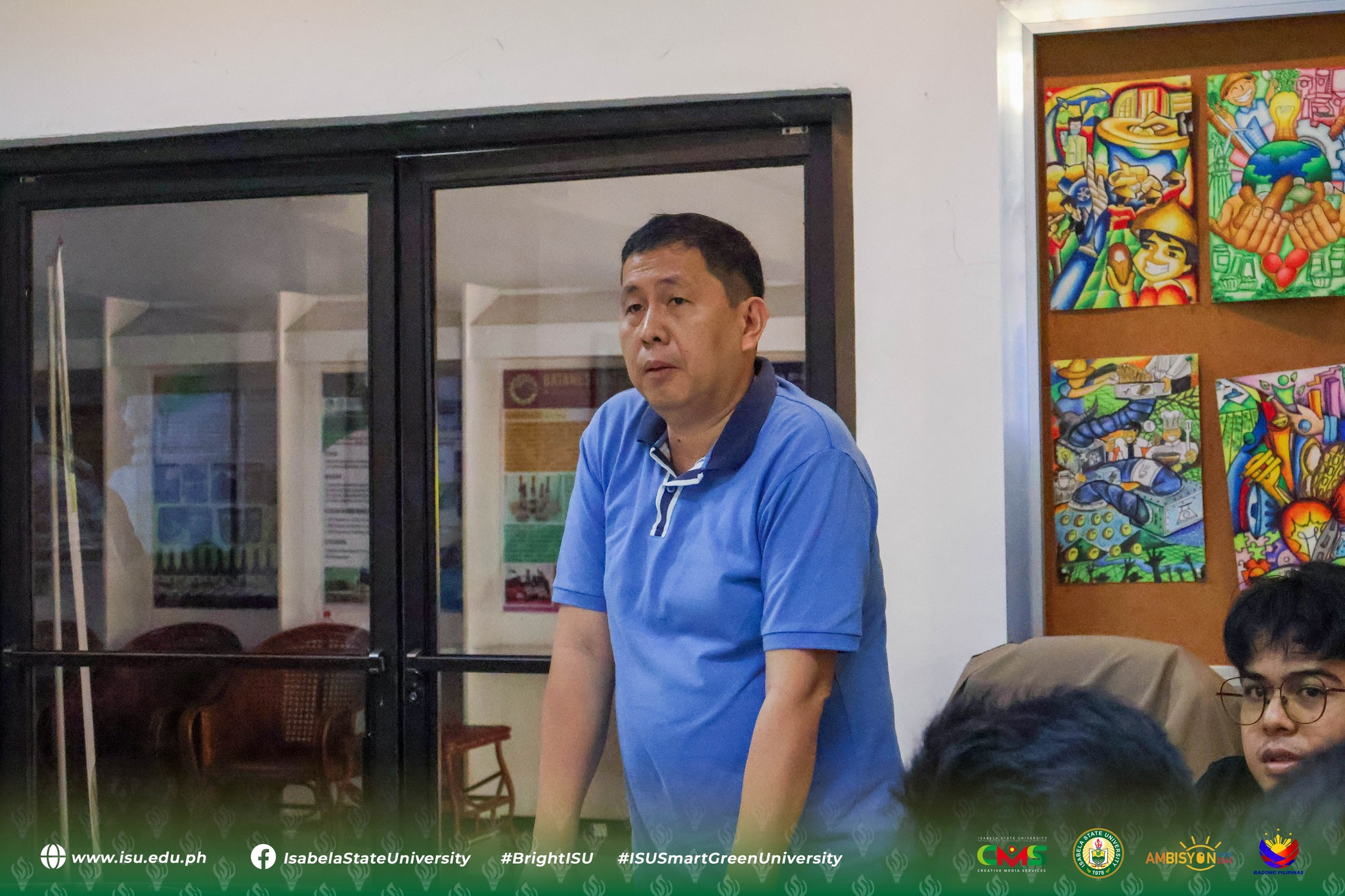
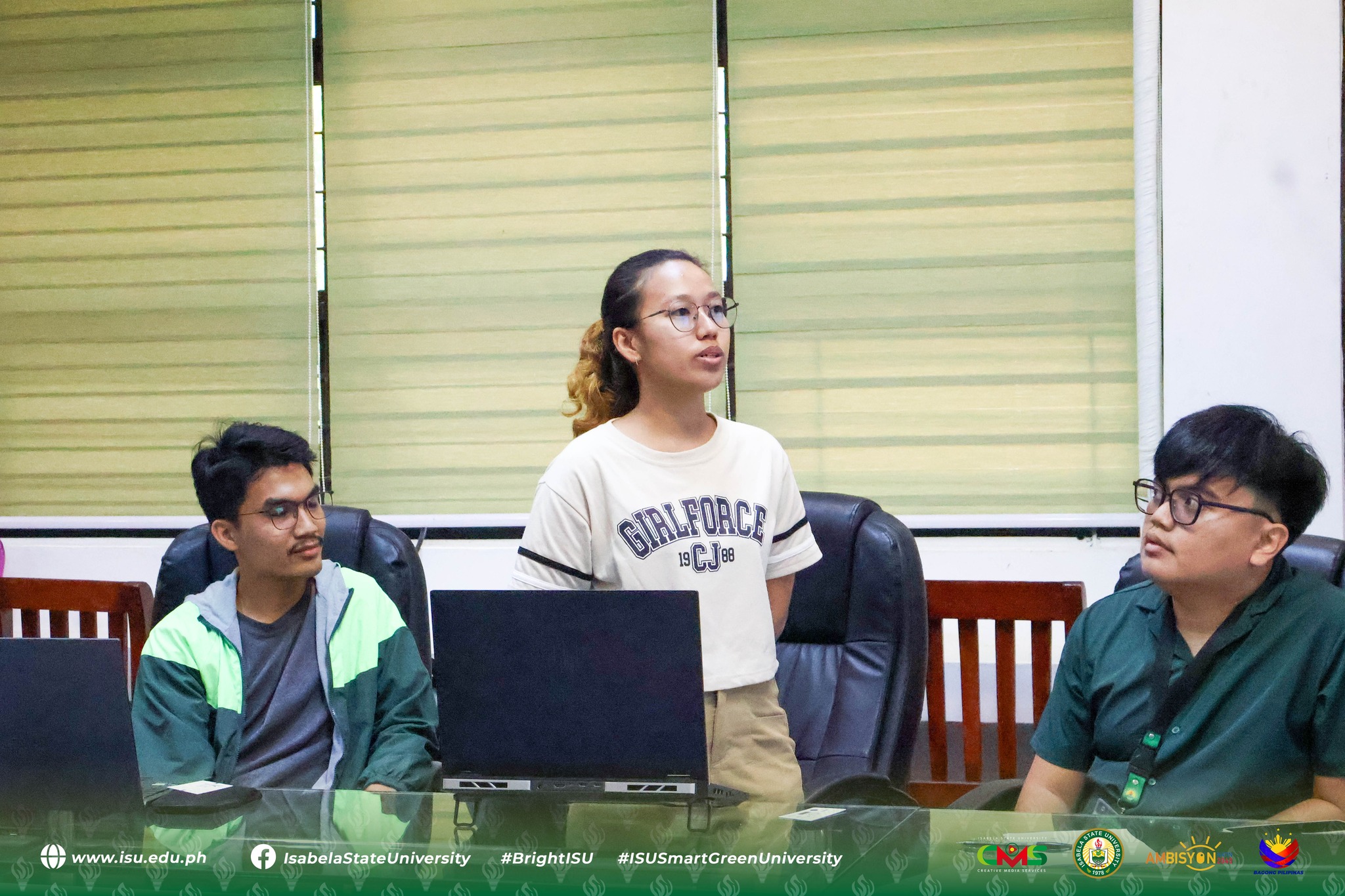
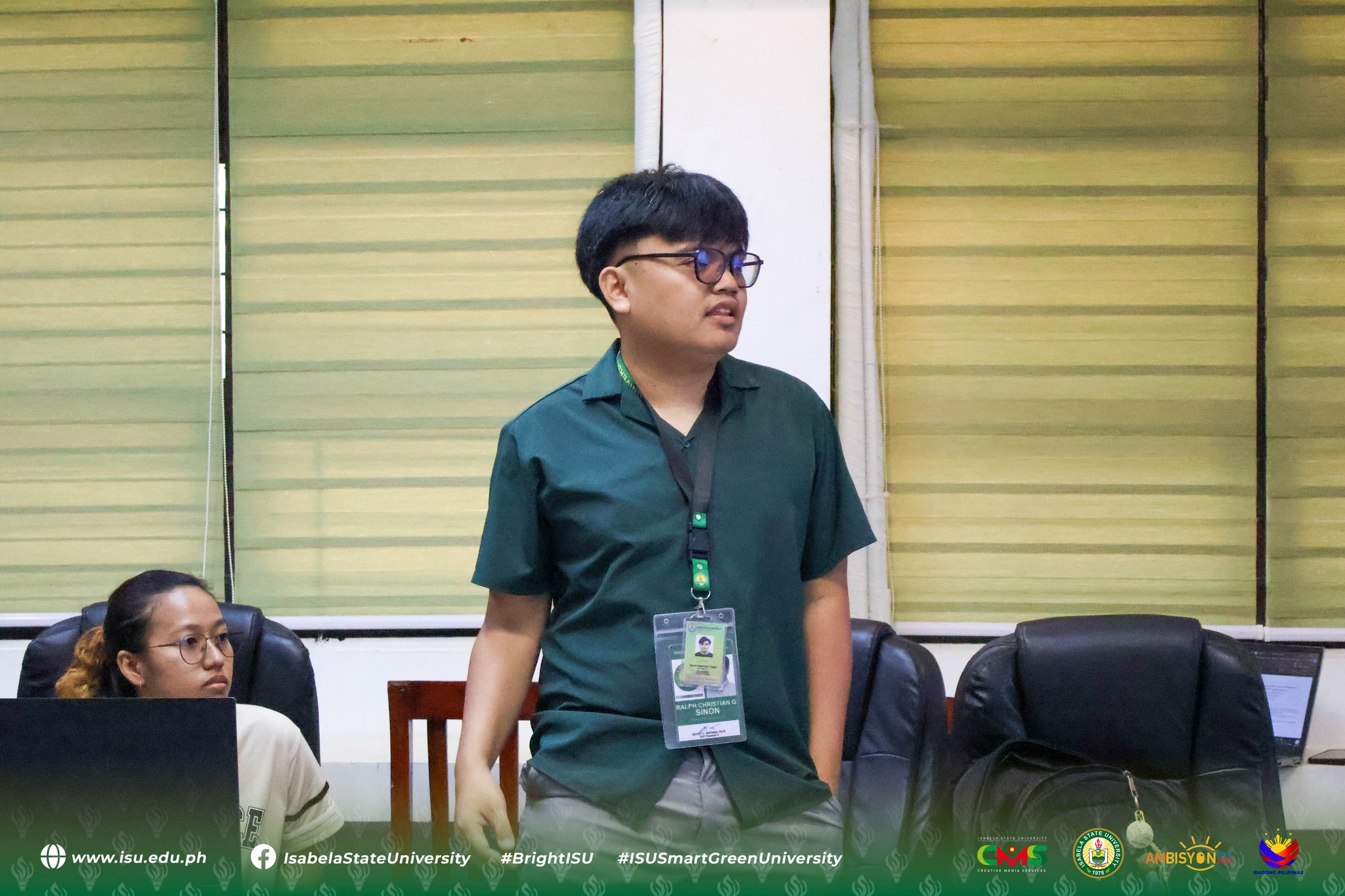
The program commenced with participant introductions, accentuating diverse specializations and ongoing research endeavors. In his opening message, Dr. Bareng extended his gratitude to the participants and emphasized the growing importance of integrating information and communication technology (ICT) in water management and environmental sustainability. He further emphasized that the training serves as a platform for meaningful academic exchange and innovation.
Accordingly, Dr. Umali led the core discussions focusing on plant water relations, particularly the Soil-Plant-Atmosphere Continuum (SPAC). He then provided comprehensive insights into the fundamental principles governing water movement in plants, the role of water in photosynthesis and nutrient transport, and the importance of grounding scientific practice in foundational knowledge.
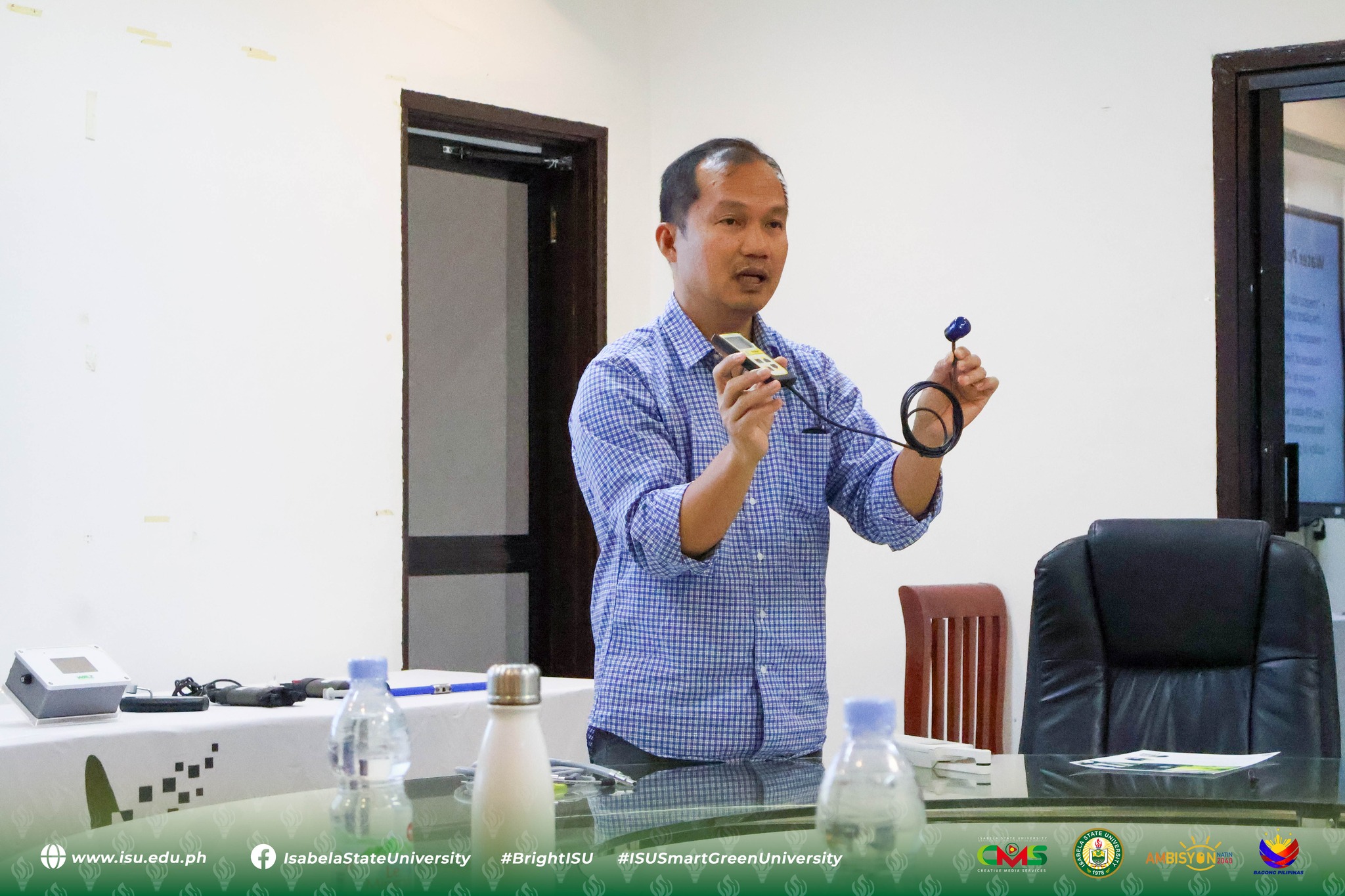
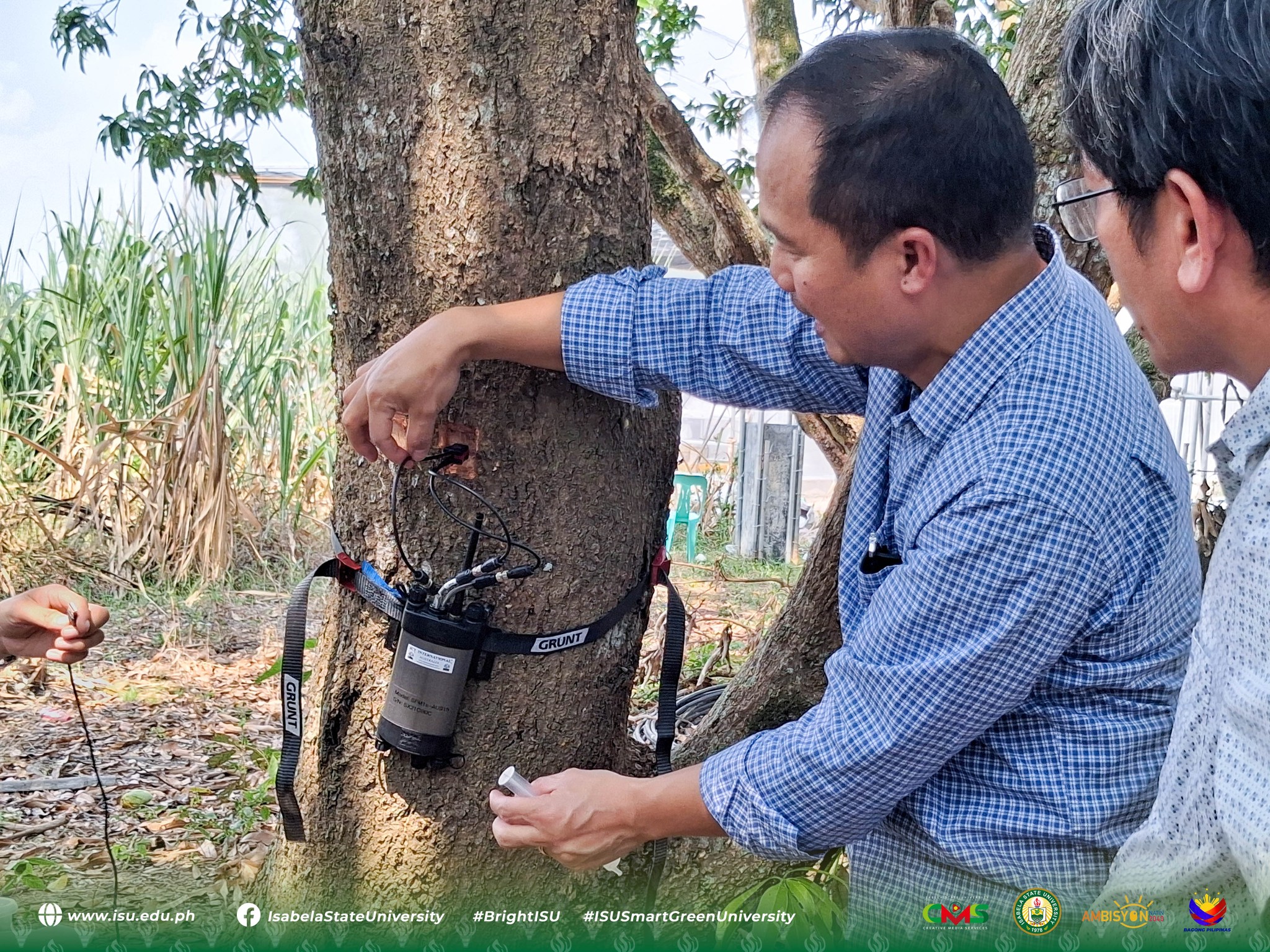
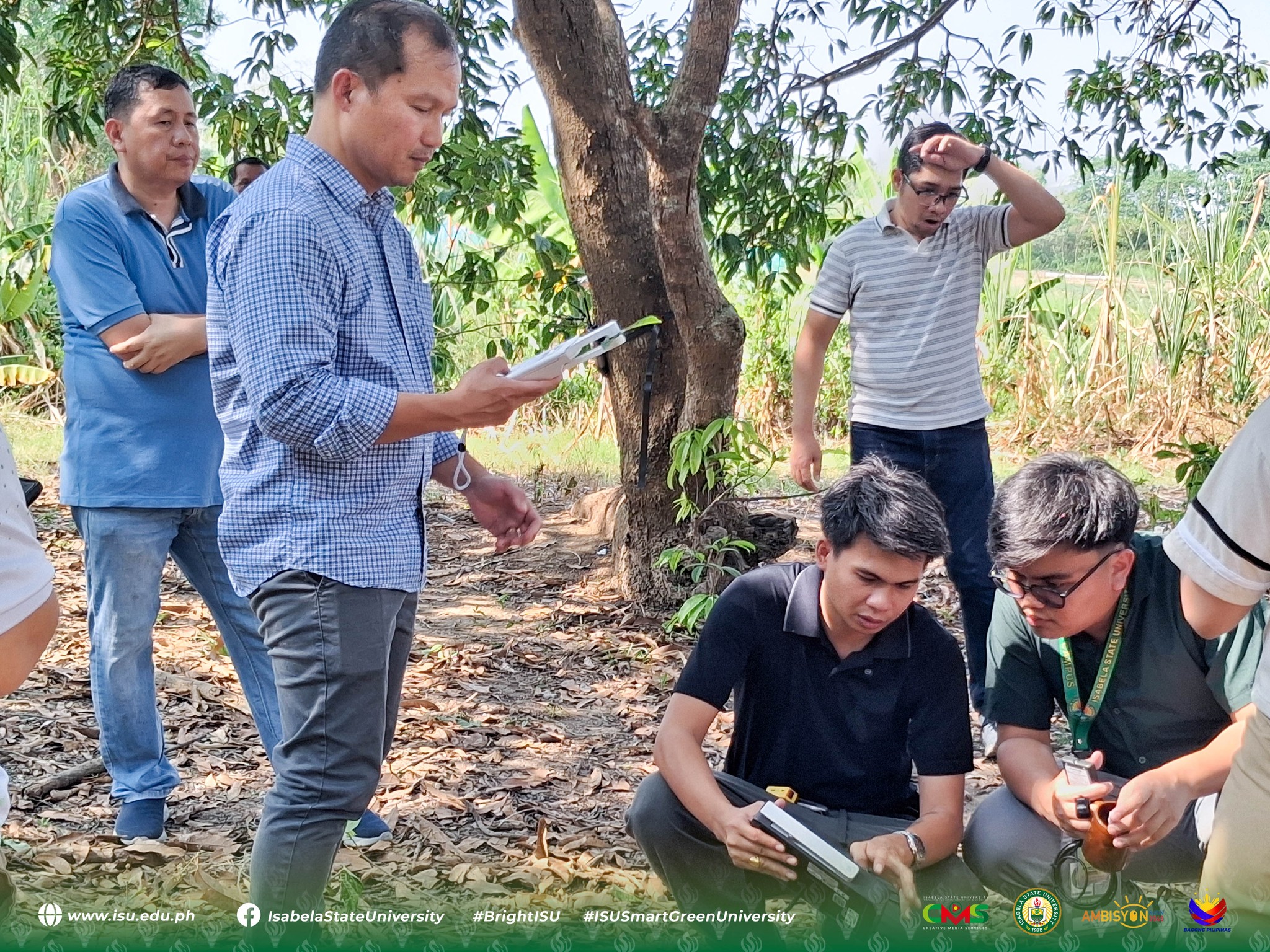
Furthermore, the session featured detailed demonstrations of advanced instrumentation used in measuring plant water status and physiological processes. Among the highlighted technologies were sap flow meters, psychrometers, and spectrometers, including the CI-710s SpectraVue Leaf Spectrometer, MINI-PAM-II Photosynthesis Yield Analyzer, and barometric pressure sensors. Participants were guided through measurement techniques such as the Heat Ratio Method (HRM), sap velocity assessment, and water potential analysis.
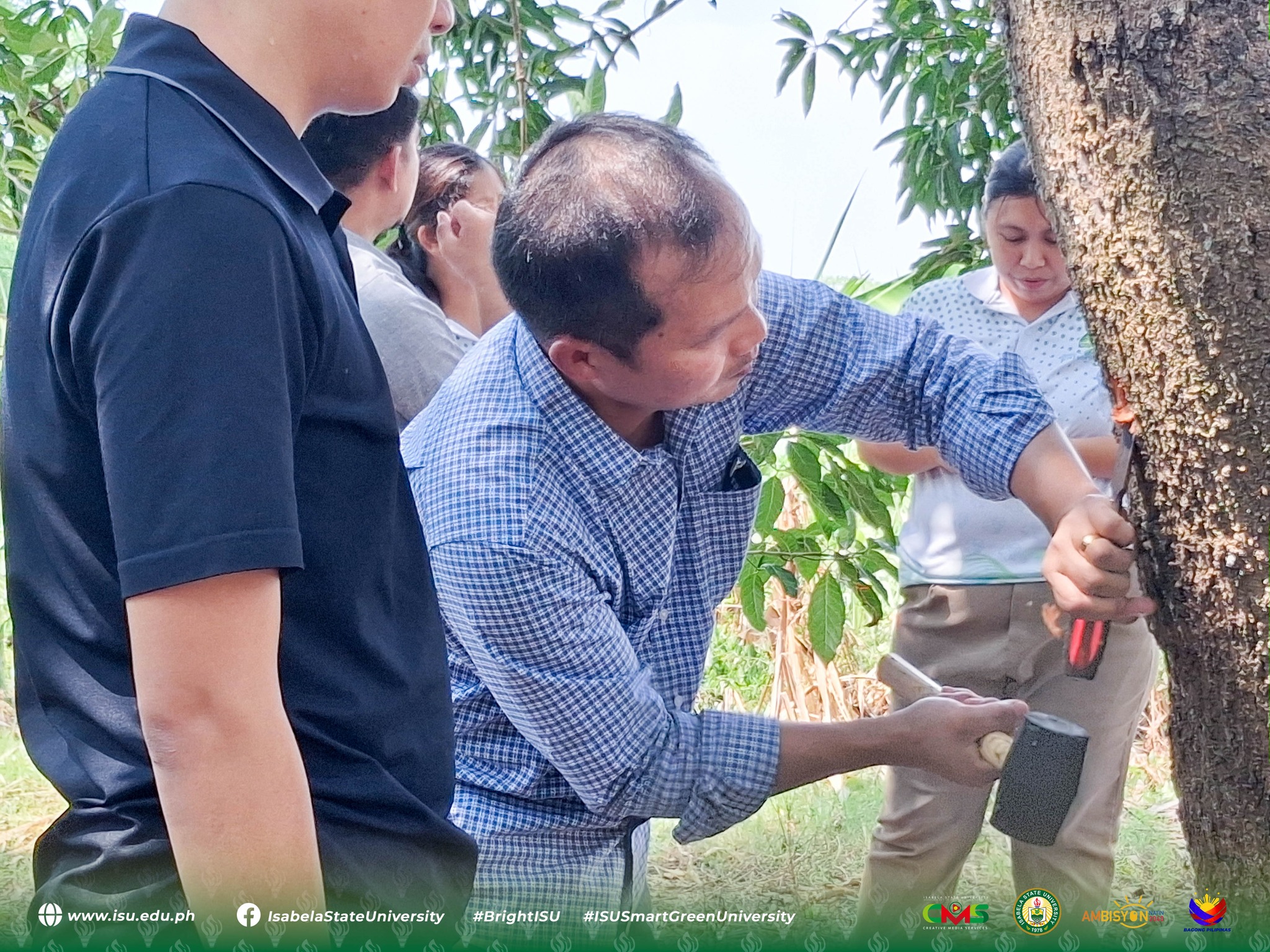
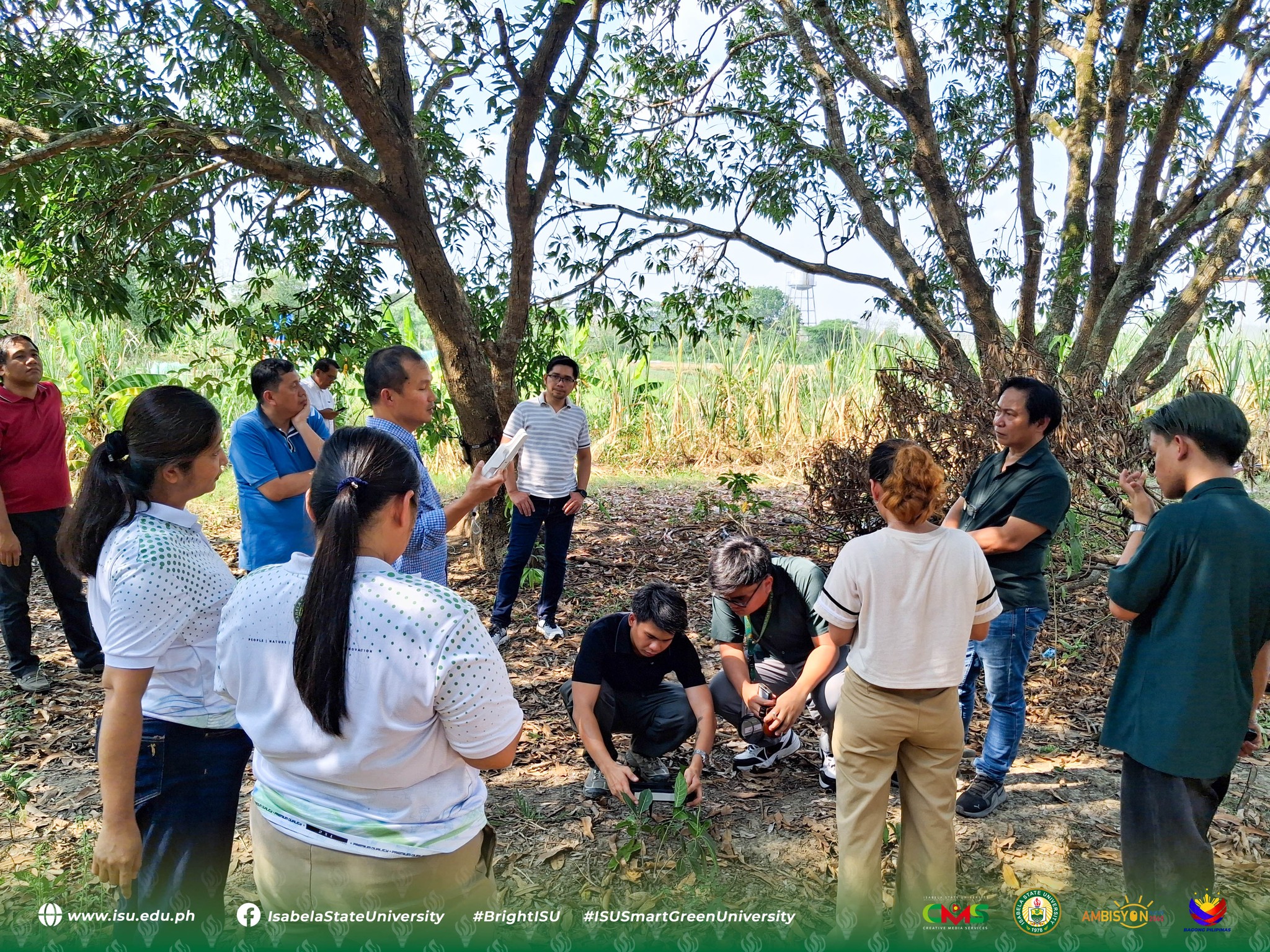
Thereafter, a hands-on training session was conducted, allowing participants to apply theoretical knowledge in a field setting. The activity took place behind the CVAARRD building, where participants worked on mango trees to measure parameters related to water movement, photosynthesis, and pollen viability within the SPAC framework. The hands-on training was actively assisted by For. Ortiz, who guided participants in the proper use of the instruments and ensured accurate data collection.
Hence, the workshop concluded with an interactive question-and-answer session, during which Dr. Umali introduced emerging technologies such as Cosmic Ray Neutron Sensing (CRNS), heightening its potential role in mitigating natural calamities through improved environmental monitoring.
By and large, the event reinforced ISU’s commitment to advancing scientific research and fostering collaboration among institutions, while equipping participants with cutting-edge tools and knowledge essential for sustainable agriculture and environmental management.