Friday, March 27, 2026

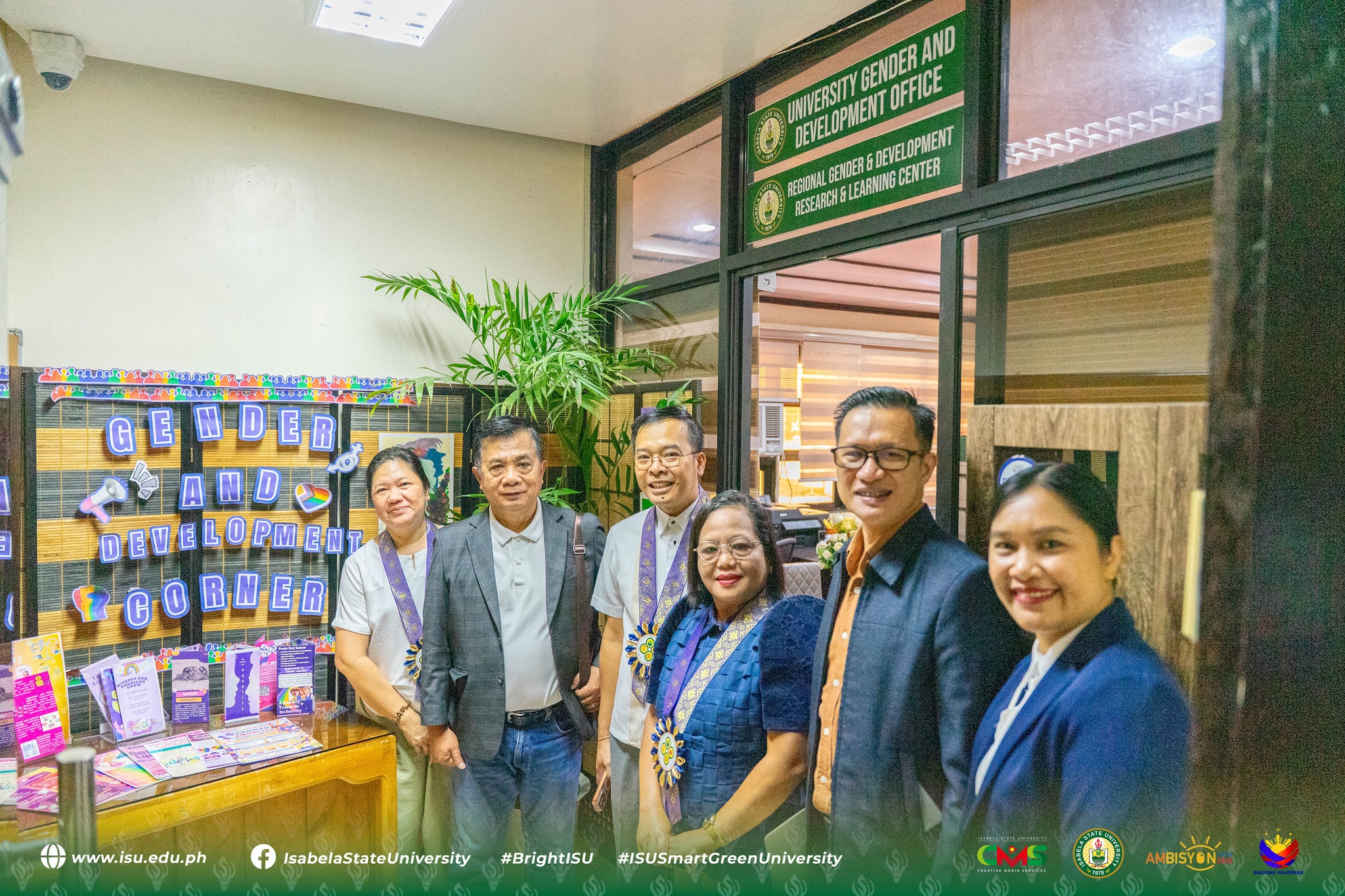
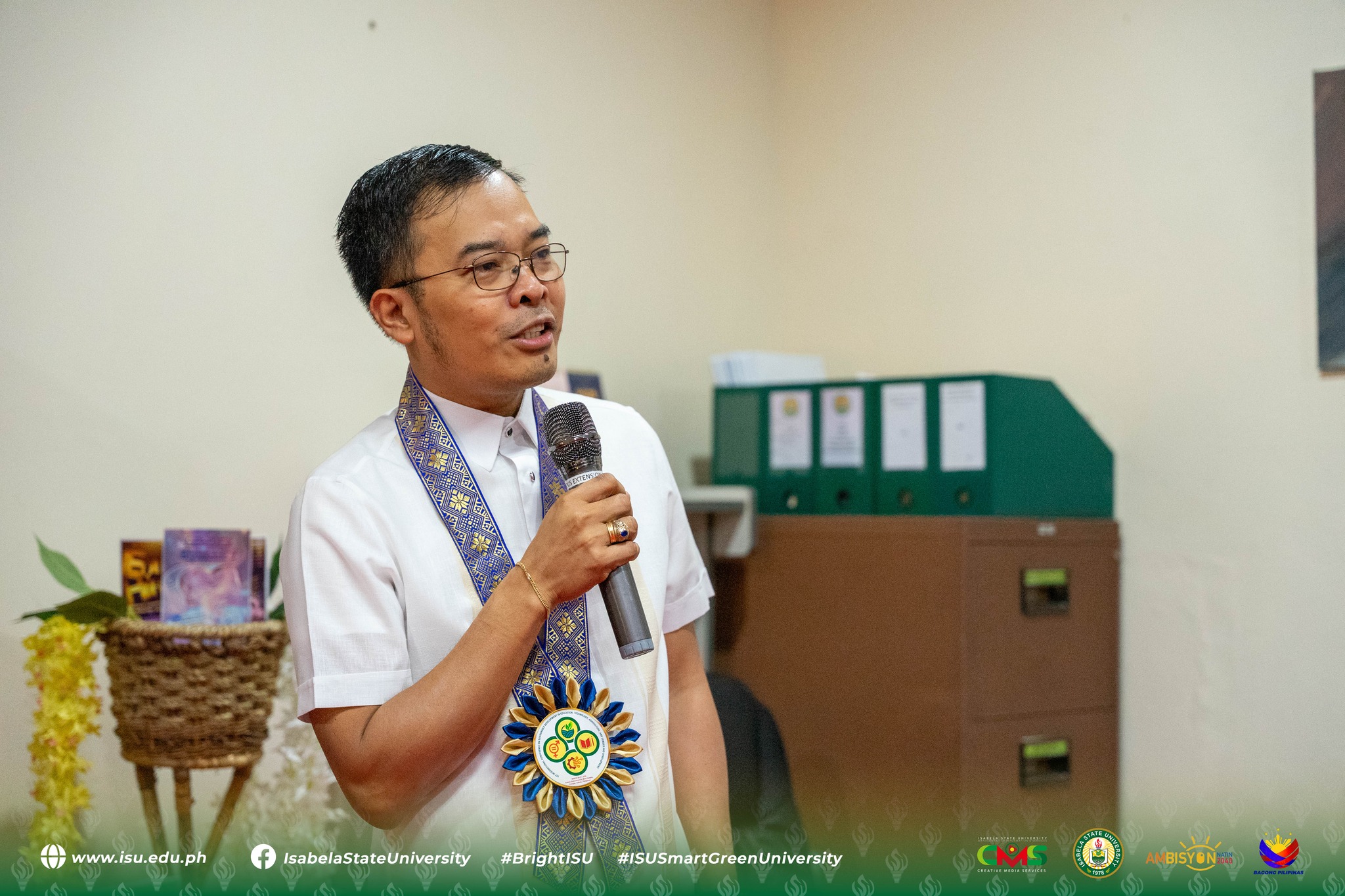
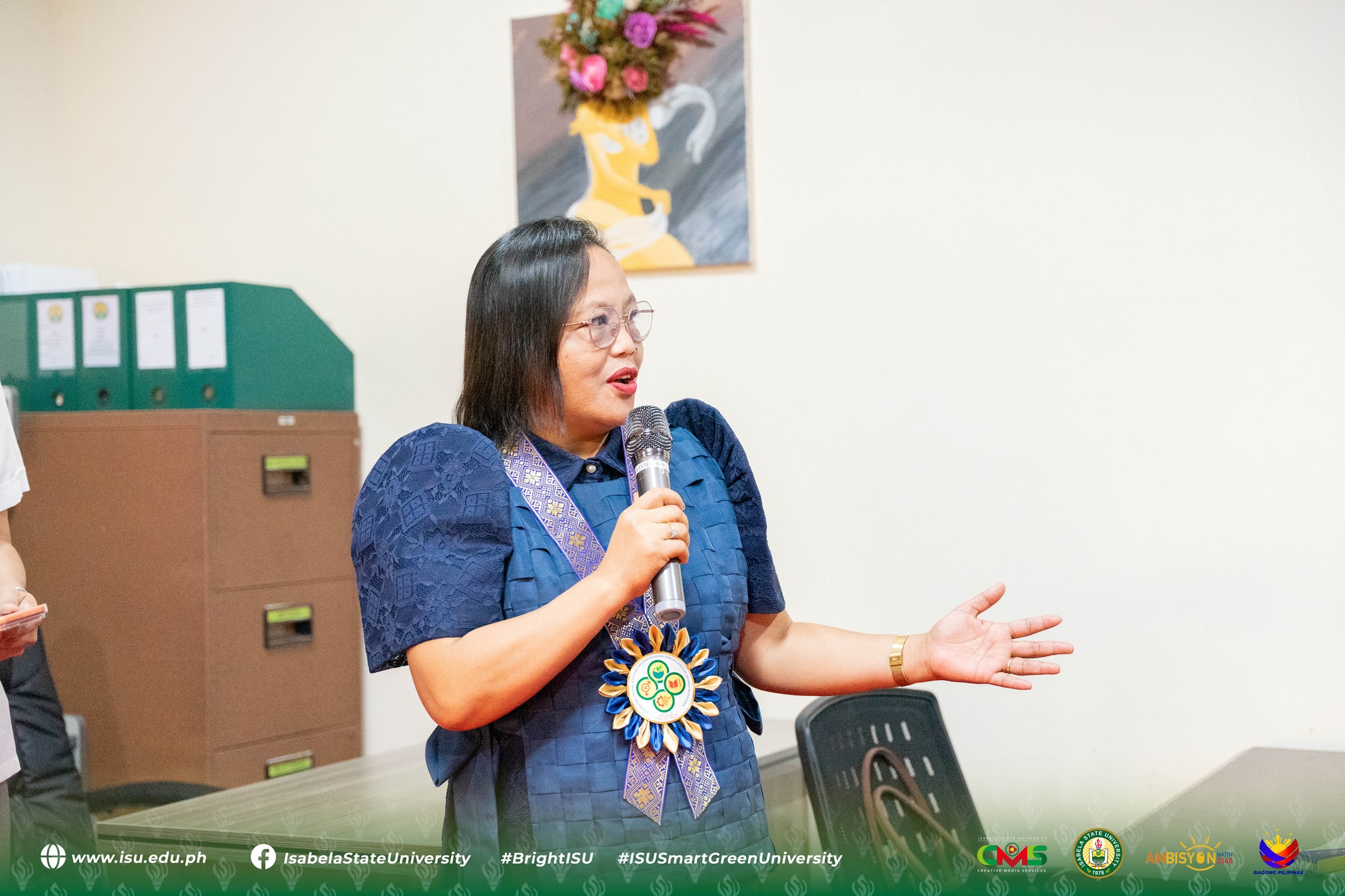
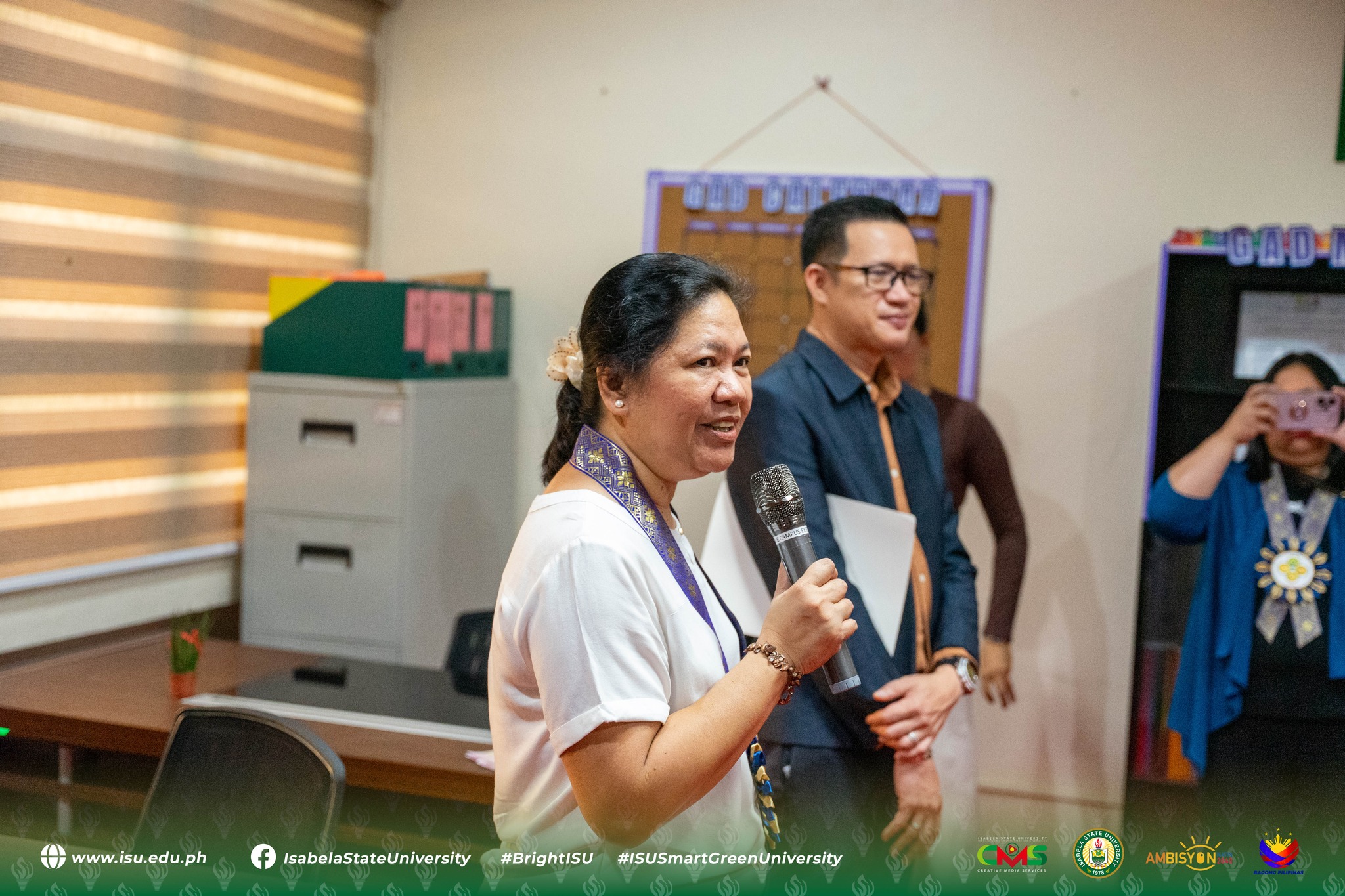
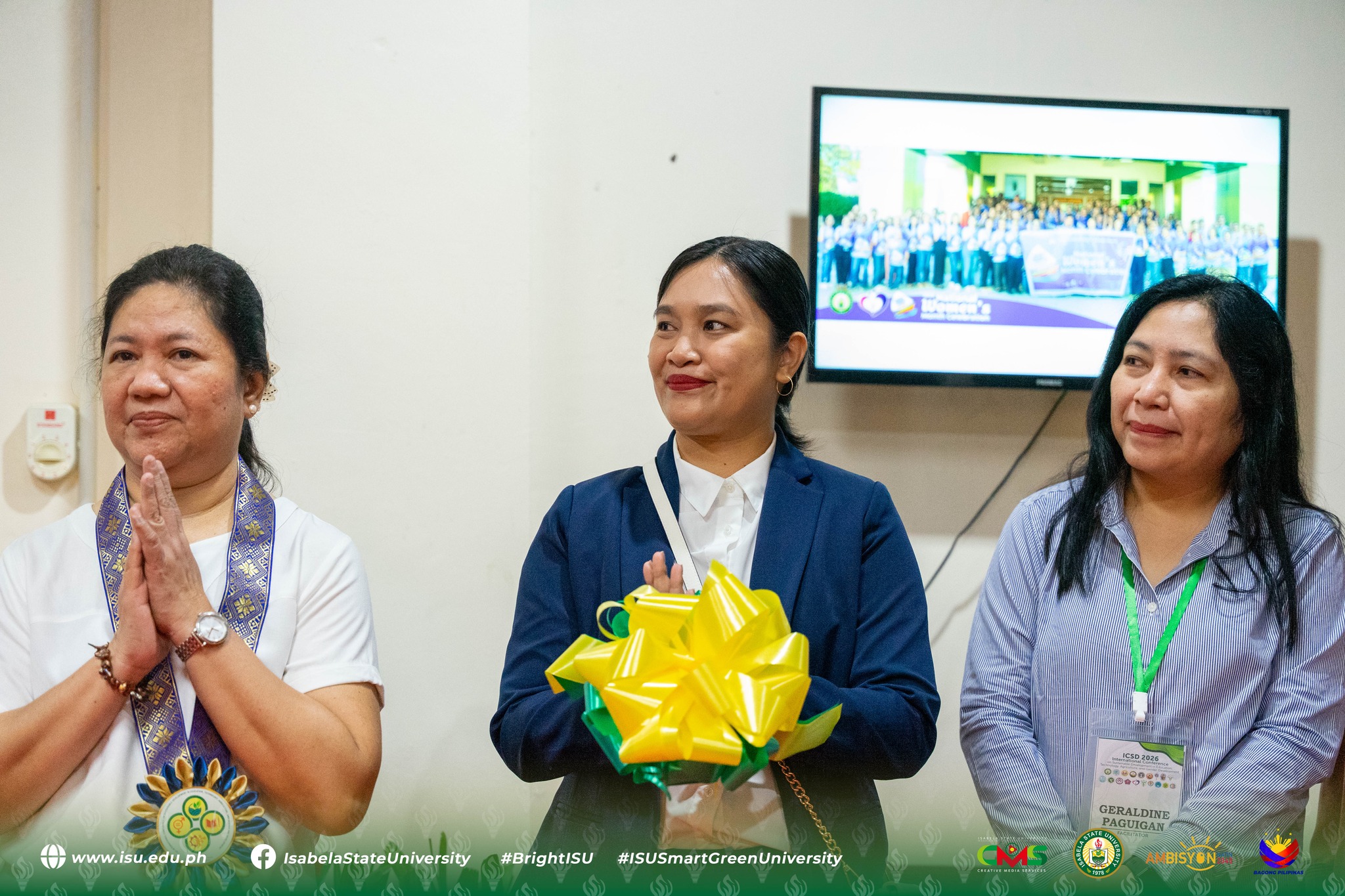
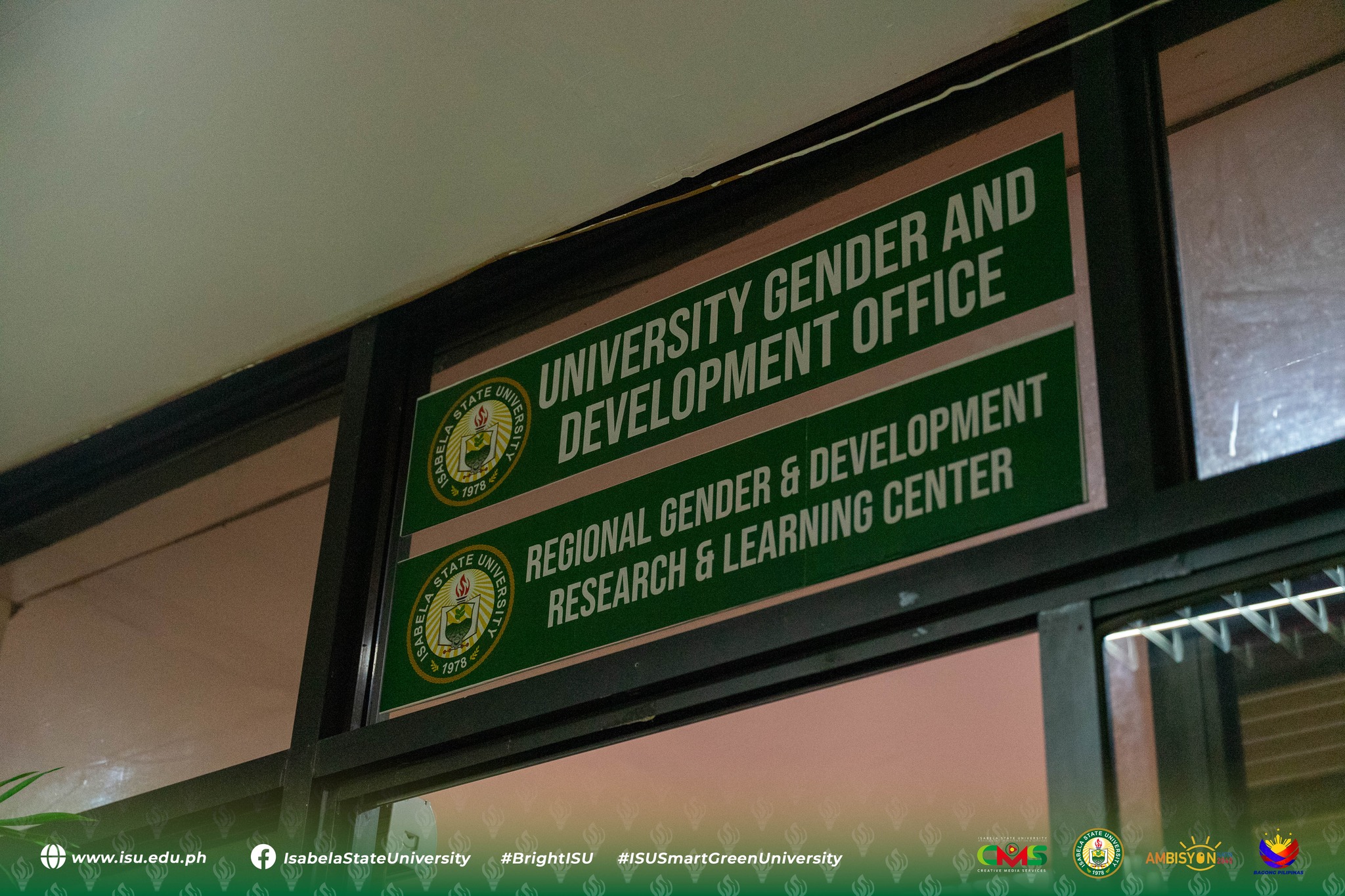
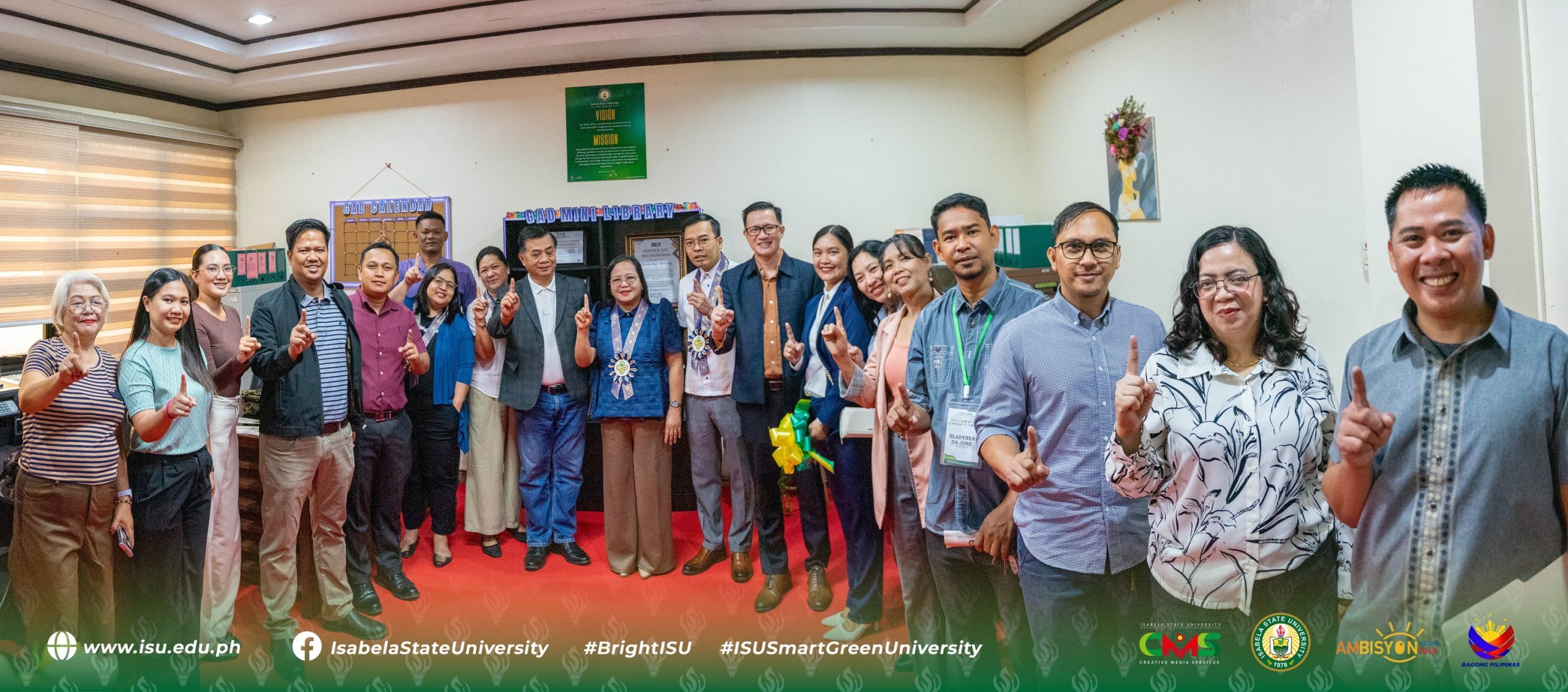
Isabela State University (ISU) formally inaugurated the Regional Gender and Development – Research Learning Center (RGAD-RLC) as part of its gender-responsive research and development initiatives for the region. The said inauguration is included in the key activities of the 1st International Conference on Sustainable Development in Education, Technology, Agriculture, and Gender and Development, held from March 26–27, 2026.
 
The ceremonial ribbon cutting was led by Dr. Mary Grace O. Gumpal (Director of the RGAD-RLC), alongside Dr. Boyet L. Batang (University President), and Dr. Virginia G. Bilgera (Chairperson, RDC2-RGADC and Regional Director, DOST Region II). It is part of the official operationalization of the center, envisioned as a hub for knowledge generation, capacity building, and policy advocacy on gender and development (GAD).
The establishment of the RGAD-RLC builds on the collaboration between ISU and the Regional Gender and Development Committee (RGADC), formalized through the signing of a Memorandum of Agreement (MOA) on February 2, 2026. The agreement highlights the commitment to institutionalize mechanisms that promote gender equality and women’s empowerment through research and innovation.
 
Under the MOA, ISU and the RGADC shall jointly develop and implement resource mobilization and sustainability strategies, including partnership arrangements and resource-pooling mechanisms. The collaboration also aims to strengthen regional partnerships and networks that advance GAD initiatives, ensure alignment with national frameworks and standards through coordination with relevant government agencies, and promote evidence-based policy advocacy.
Furthermore, the RGAD-RLC is expected to play a crucial role in supporting governance by providing policy recommendations to the Regional Development Council Region II (RDC2), which are grounded in research findings and stakeholder consultations.
 
With the inauguration of the RGAD-RLC, ISU shows its commitment to advance gender-responsive research and promote inclusive partnerships across the region.