RGAD RLC, ISU GAD Office conduct training on mainstreaming gender analysis in research
Tuesday, November 18, 2025
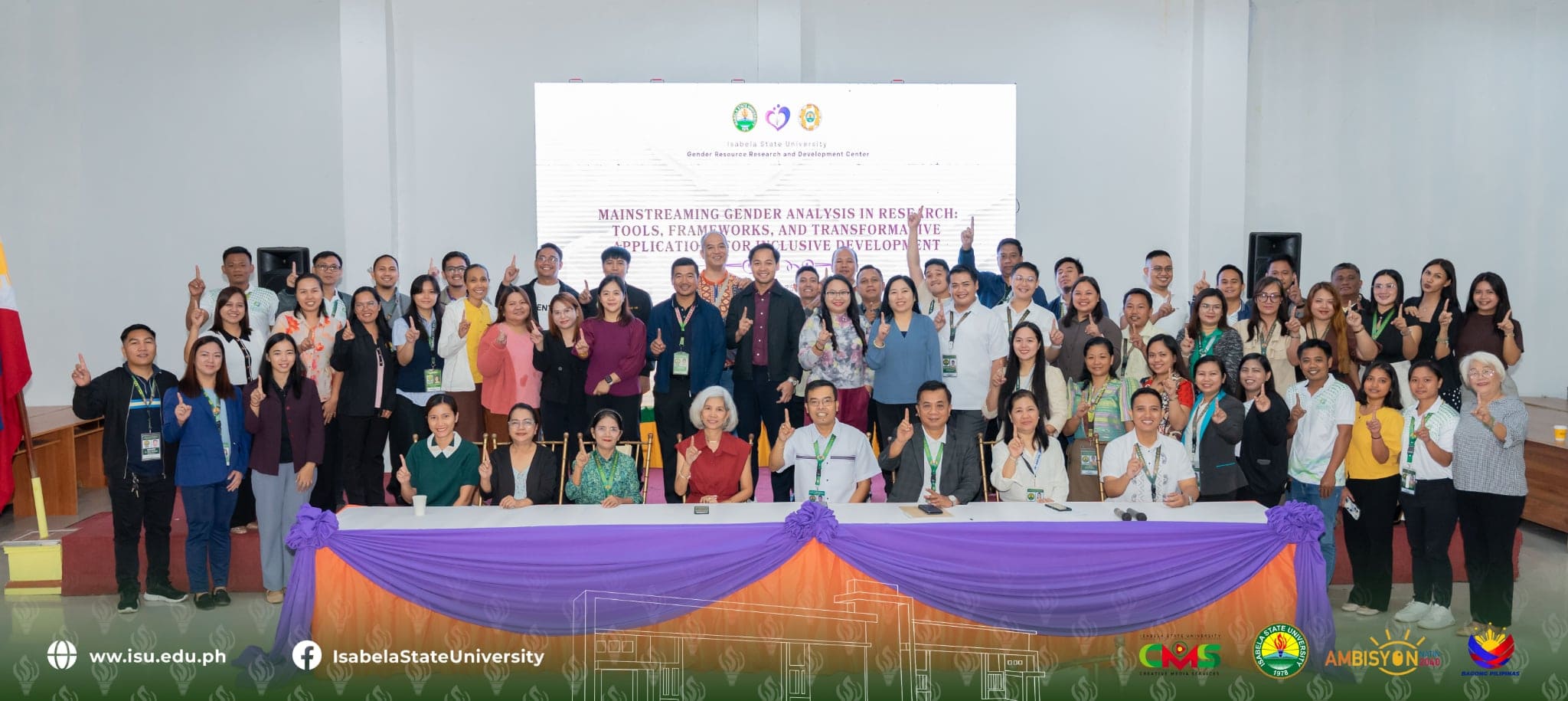
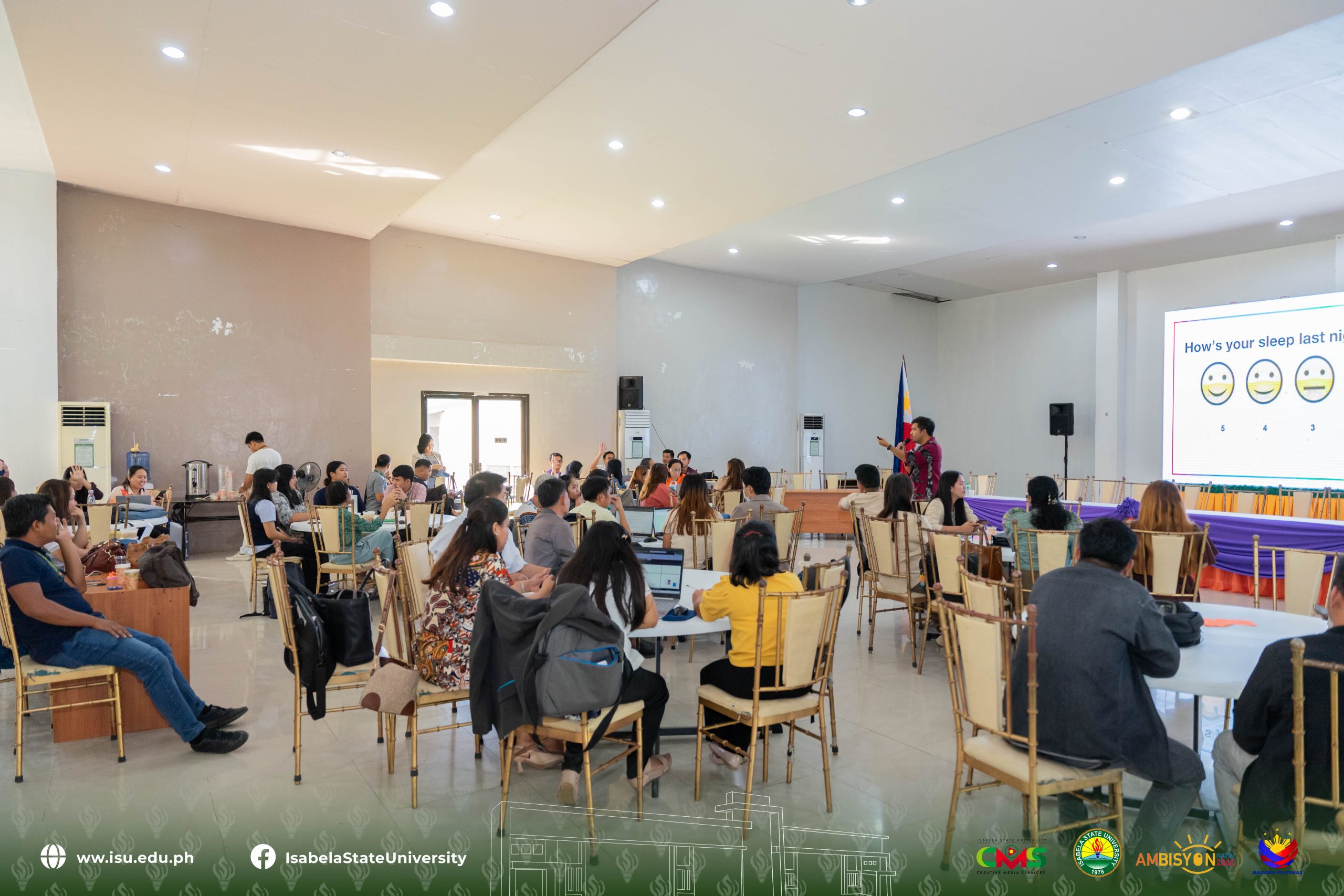
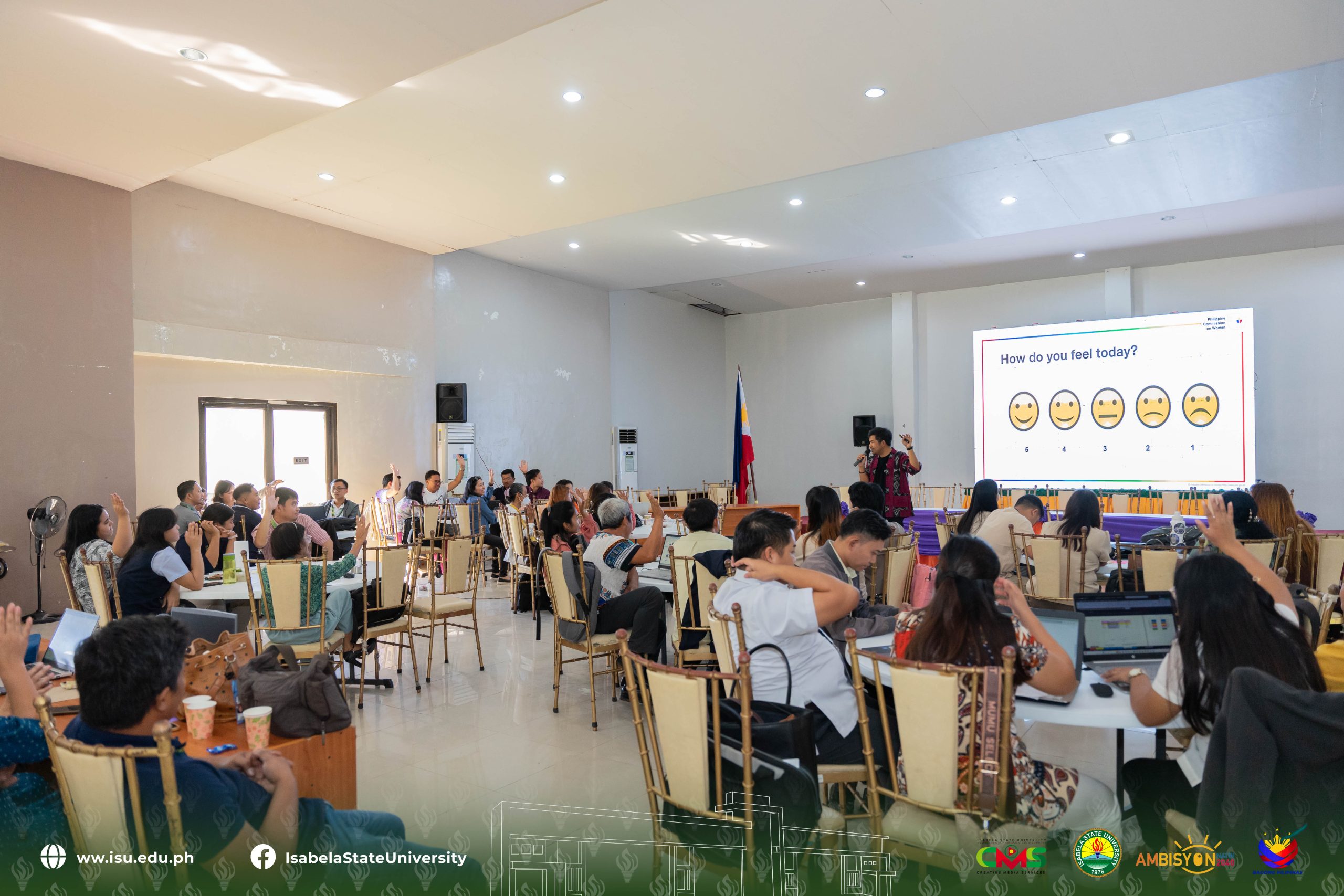
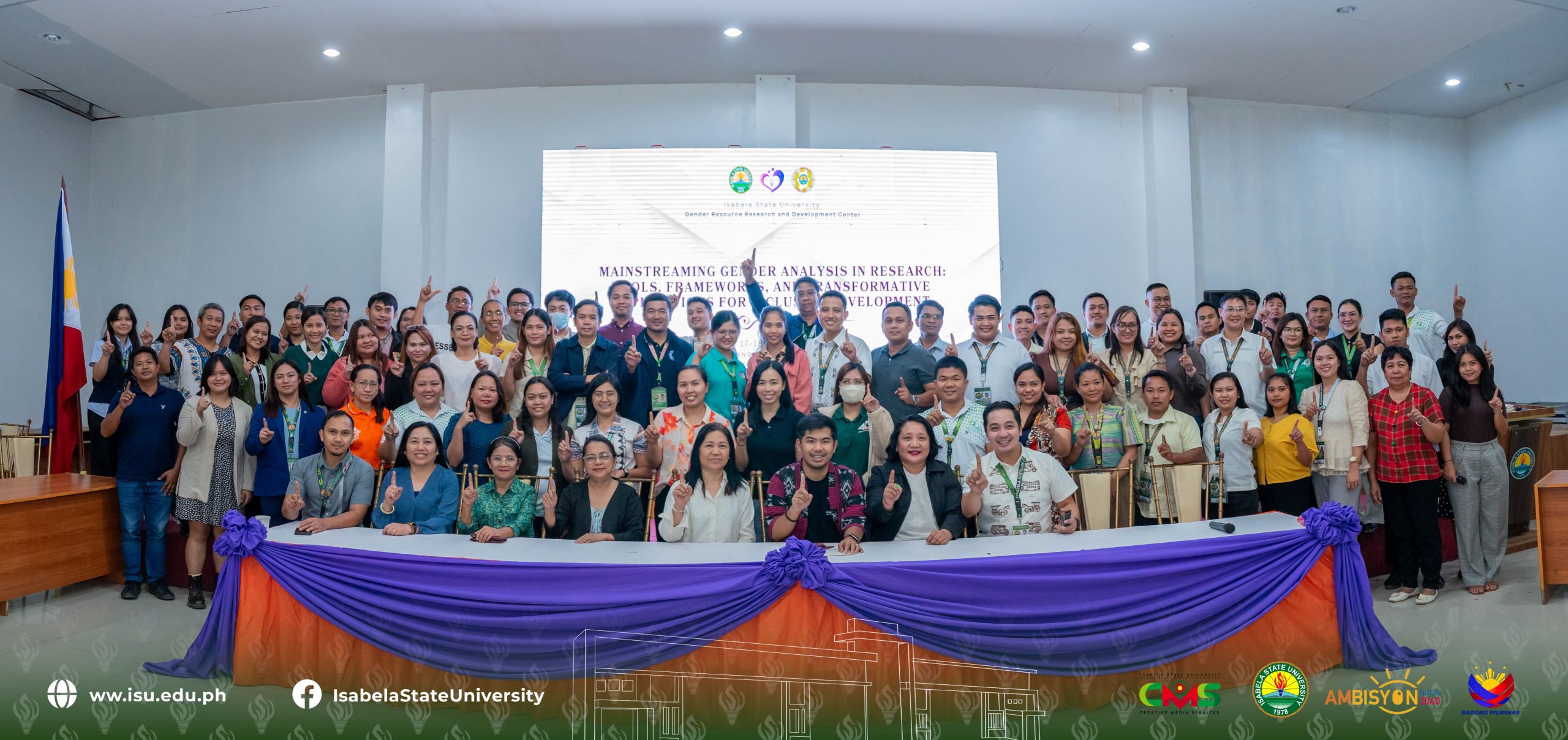
The Gender Resource Research and Development Center (GRRDC) in partnership with the Isabela State University (ISU) GAD Office conducts a training session on Mainstreaming Gender Analysis in Research from November 17-18, 2025 at the Climate Change R&D Support Facility Hall, ISU Echague Campus.
Based on the need for gender-responsive research, the training aims to equip researchers with practical skills in using gender frameworks and tools in projects. It also strengthens alignment with institutional mandates and advanced Sustainable Development Goals (SDGs) on gender equality and reduced inequalities. By integrating gender perspectives and analysis, the program also assists researchers to make research work more inclusive, equitable, and responsive to diverse communities.
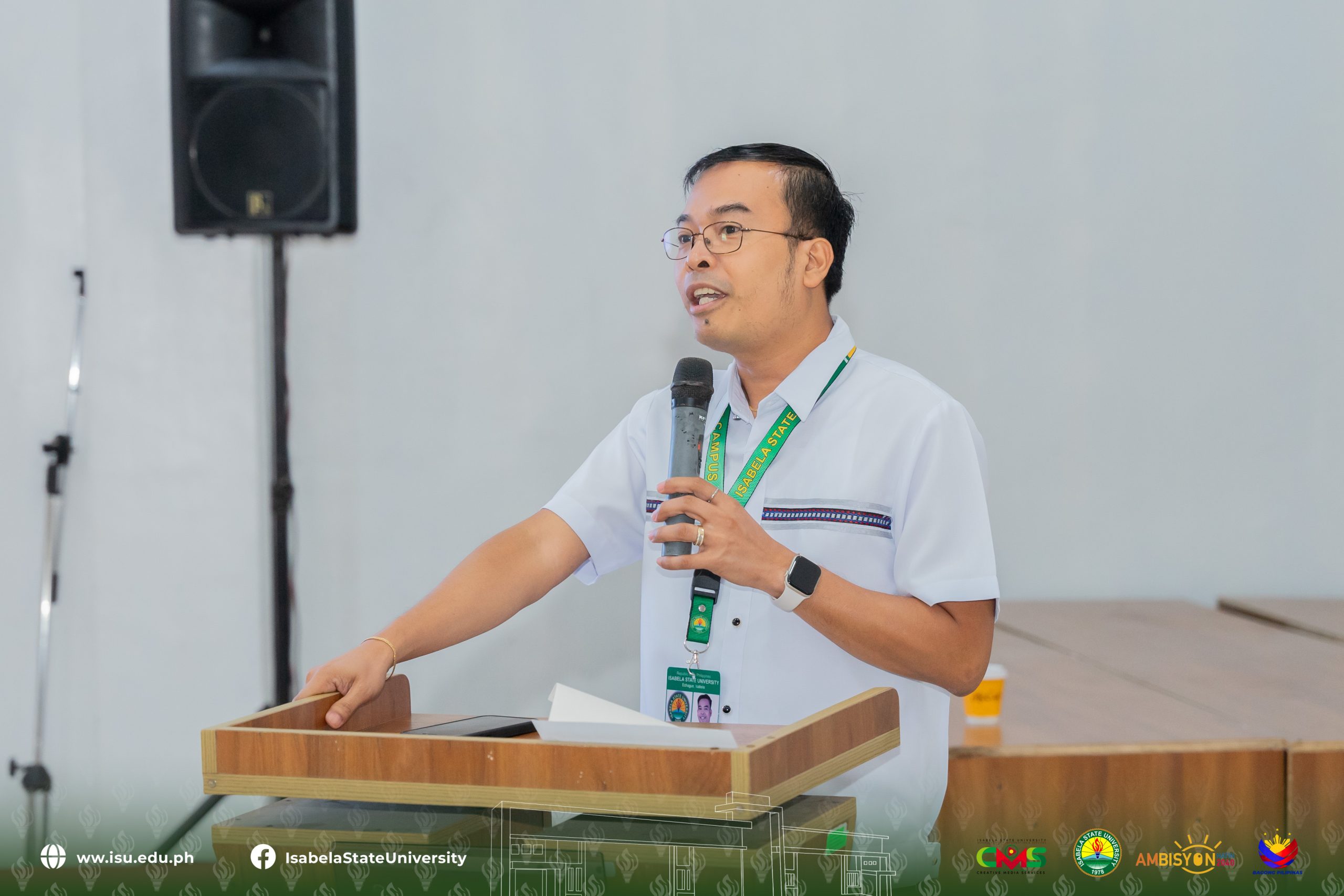
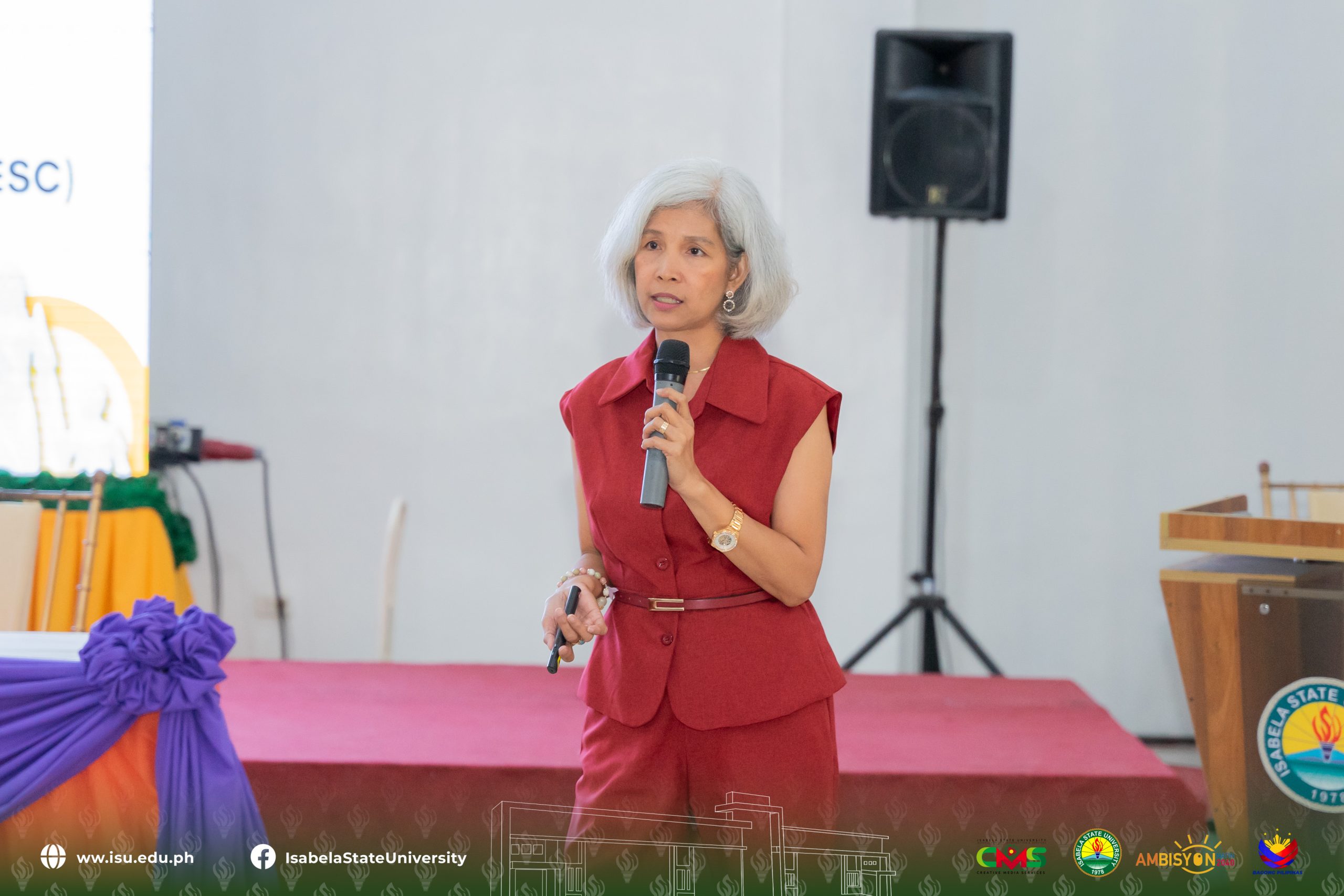
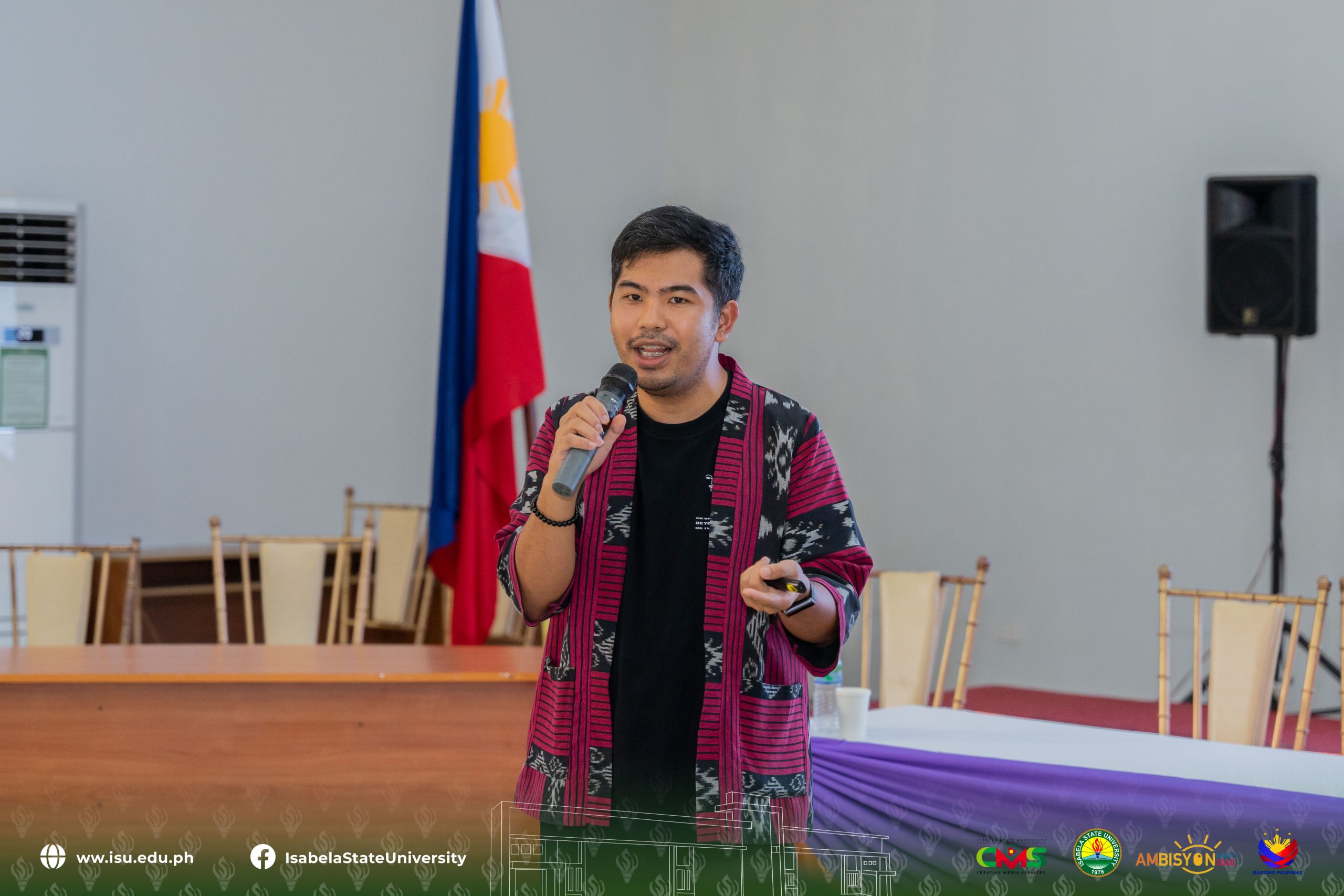
Guiding the participants of the training are Dr. Raquel R. Geronimo (Faculty, Philippine Normal University – North Luzon) and Mr. Gino A. Cabrera (Faculty, Southern Luzon State University).
Since 2015, Dr. Geronimo has led the Gender Equity, Diversity, and Inclusion Unit at PNU North Luzon, where she has been an advocate for advancing said principles within the institution. She is also a certified member of the Region 2 GAD Resource Pool.
On the other hand, Mr. Cabrera has served as the Director of Public and Community Relations and has headed Human Resource Management, Career Services, and Student Discipline at SLSU. He currently serves as the Faculty Association President and Faculty Regent of the SLSU Board.
Divided into three (3) sessions, the resource speakers discuss key concepts and principles of gender analysis, explore various gender frameworks such as the Harvard, Moser, and Gender Equality Continuum models, and demonstrate how these can be applied in research design, data collection, and interpretation. They also guide participants in aligning gender-responsive research with institutional mandates and the SDGs, culminating in the development of draft research proposals that integrate gender perspectives.
The expected outputs of the training include gender-integrated research proposal drafts and gender analysis matrices applied to sample studies, along with commitment plans that support institutional gender mainstreaming. Participants will also be required to submit brief descriptions of their ongoing or planned research projects as pre-work. Post-training, they are expected to submit revised proposals for review, incorporate gender analysis into their research reports, and take part in follow-up mentoring sessions.